Ottawa often gets described like a sleepy government town, but that sells it short. It is the place where Canada stages itself: Parliament Hill, national ceremonies, court fights, public inquiries, security fences, civil-liberties arguments, museums, embassies, stone buildings, and that strange feeling that you are in a small European capital dropped into North America.
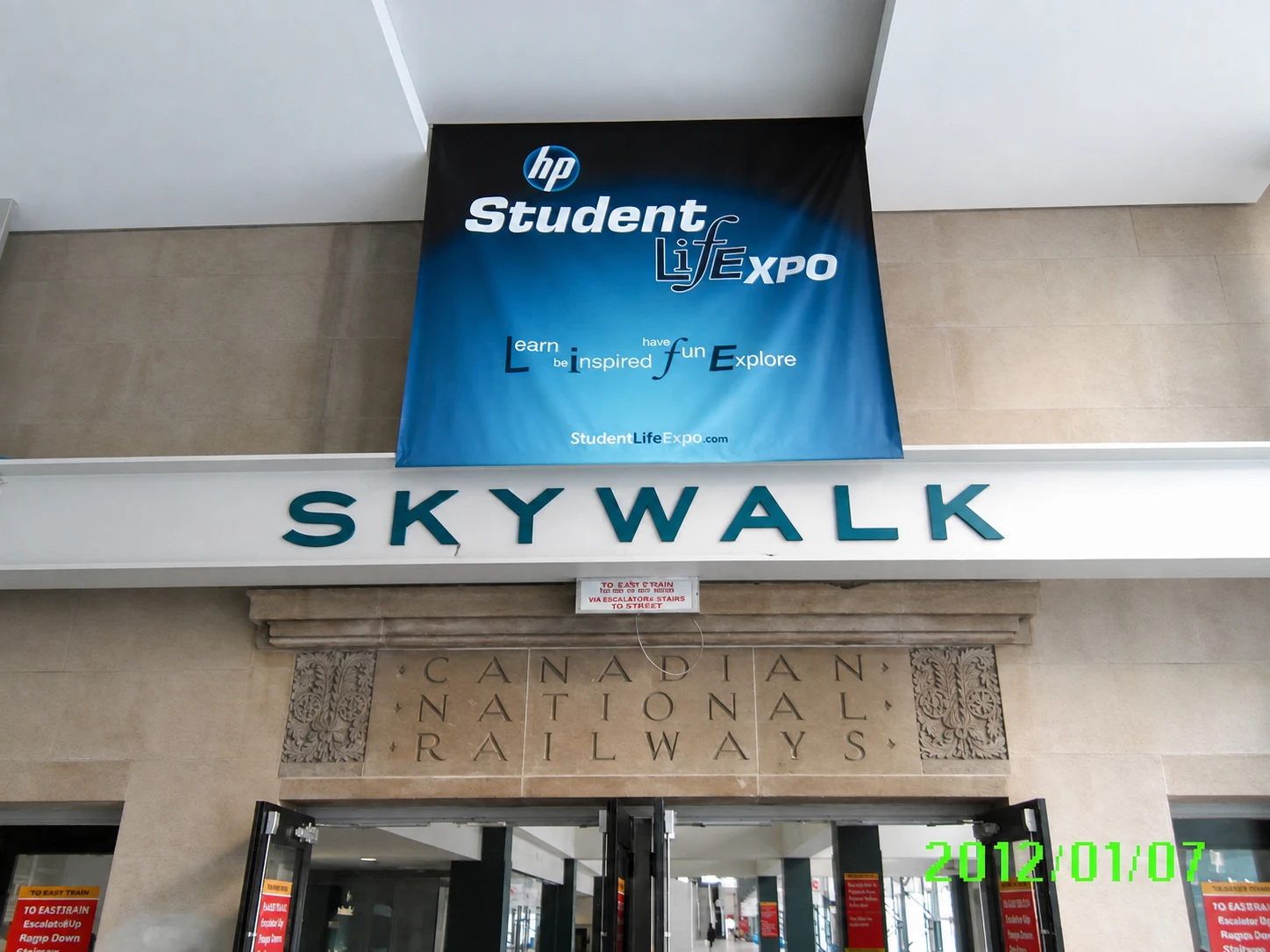
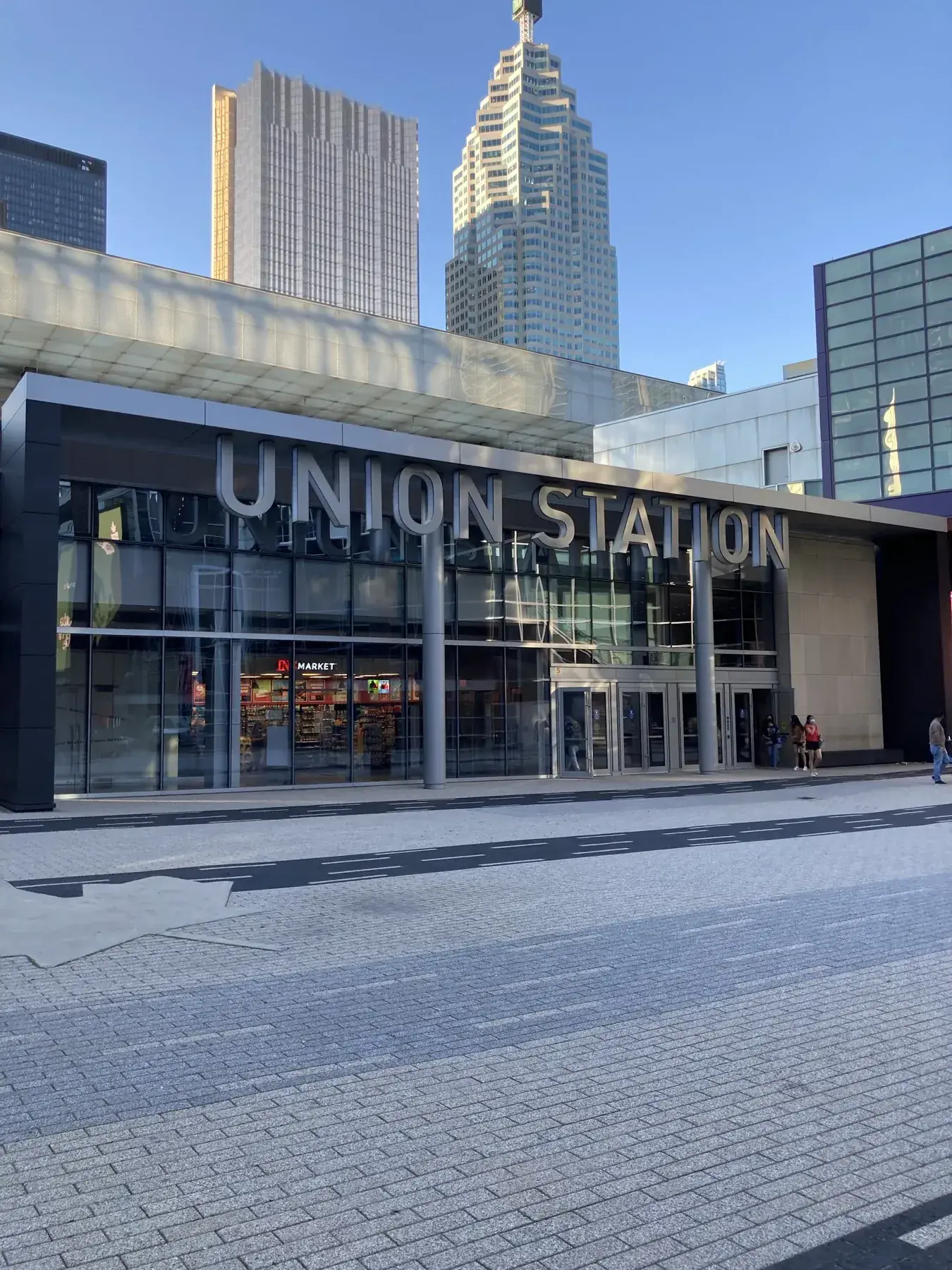
Ottawa is the longer rail trip from Toronto Union Station. For a shorter westbound route, see the GO Train guide to Kitchener, Waterloo, and Stratford.
For patriotic Canadians, Ottawa can feel almost like a civic pilgrimage. For visitors, it is a useful reminder that Canada is not only polite scenery and calm suburbs. The capital has a serious, contested, sometimes uncomfortable political edge, and that is part of why the city is worth seeing with open eyes.
How to Get to Ottawa From Toronto
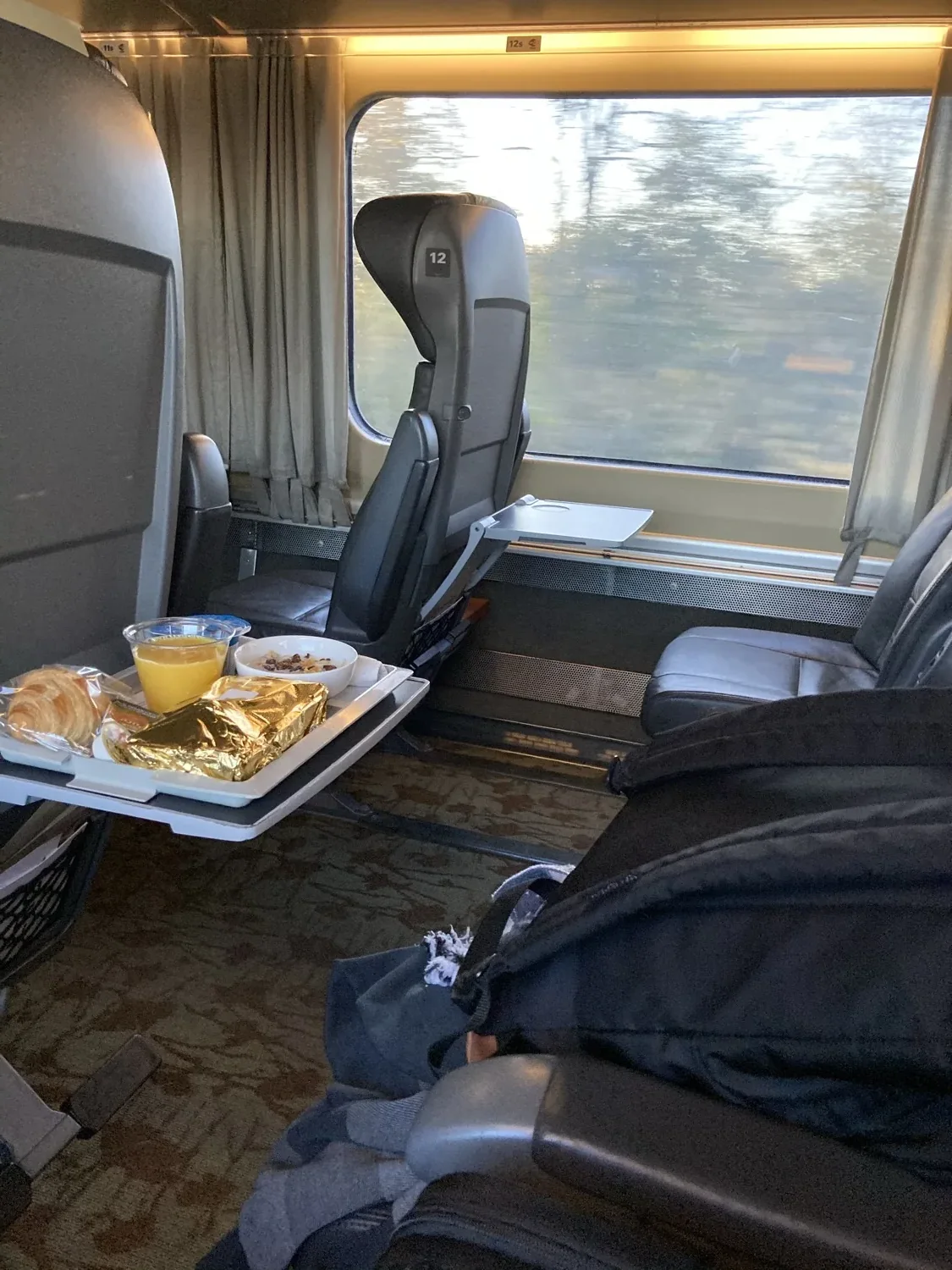
Ottawa works as a long weekend from Toronto. The easiest non-driving version is VIA Rail from Toronto Union Station to Ottawa, then a taxi, rideshare, bus, or O-Train connection into the core. If you are comparing options, also look at intercity bus service and flights from Toronto Pearson or Billy Bishop to Ottawa. Flying can be fast in the air but less relaxed door-to-door once airport time is included.
If you are planning a broader car-free Ontario and Canada route, pair this with the VIA Rail Business Class guide, the car-free Ontario train trips hub, and the Canada travel from Toronto hub. Ottawa is one of the strongest city-to-city rail ideas on the site because the destination is genuinely walkable once you arrive.
Use Ottawa Transit, Then Walk the Core
Ottawa has a modern public transit network with buses and the O-Train. For visitors, OC Transpo is the official place to check routes, stations, fares, and service alerts before deciding whether to use transit for your hotel, Parliament, the Rideau Centre, or the train station.
The most memorable part of Ottawa is still on foot. Walk the Parliament precinct, the War Memorial, Sparks Street, the Château Laurier area, ByWard Market, and the river lookout. The city’s best tourist zone is compact enough that you do not need to treat every movement like a separate drive.
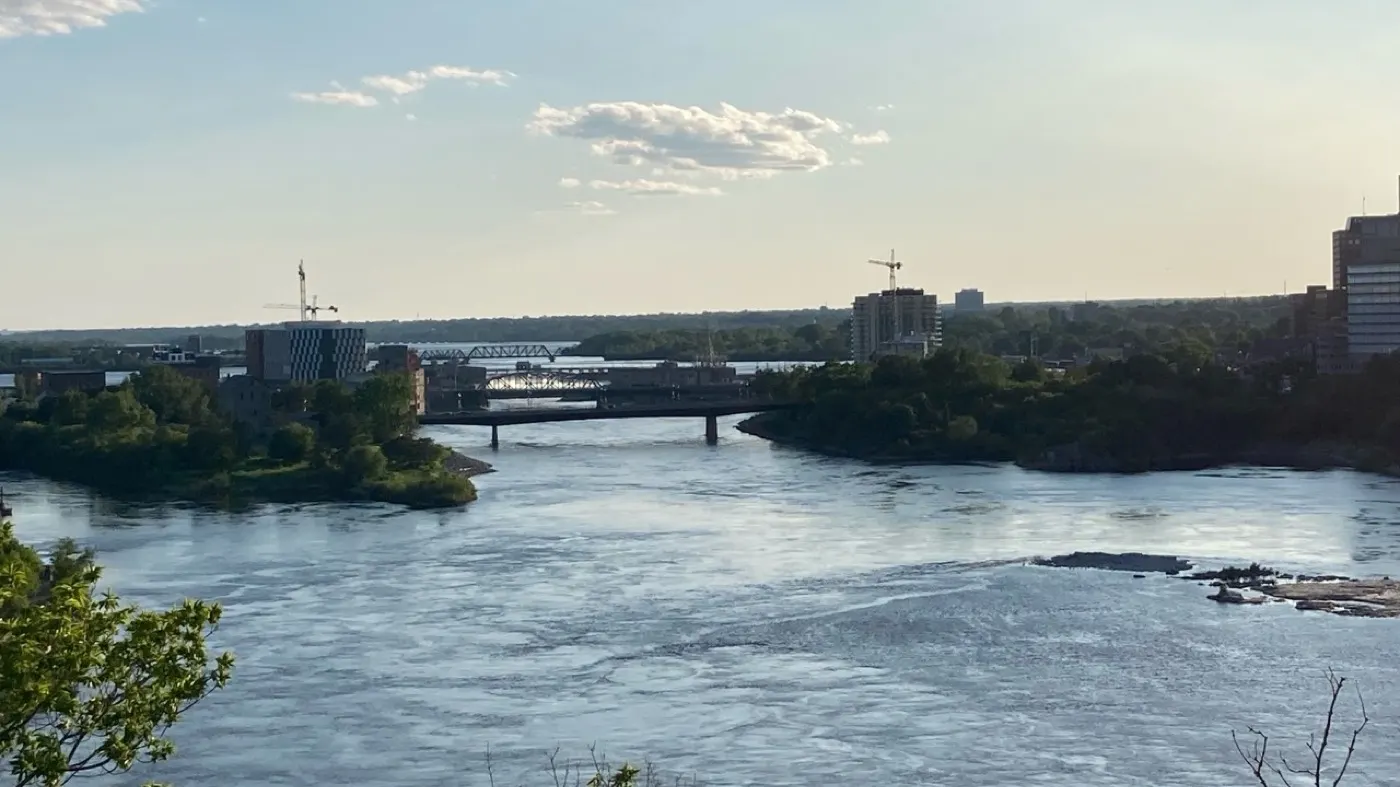
Parliament Hill: Renovation, Tours, and Security
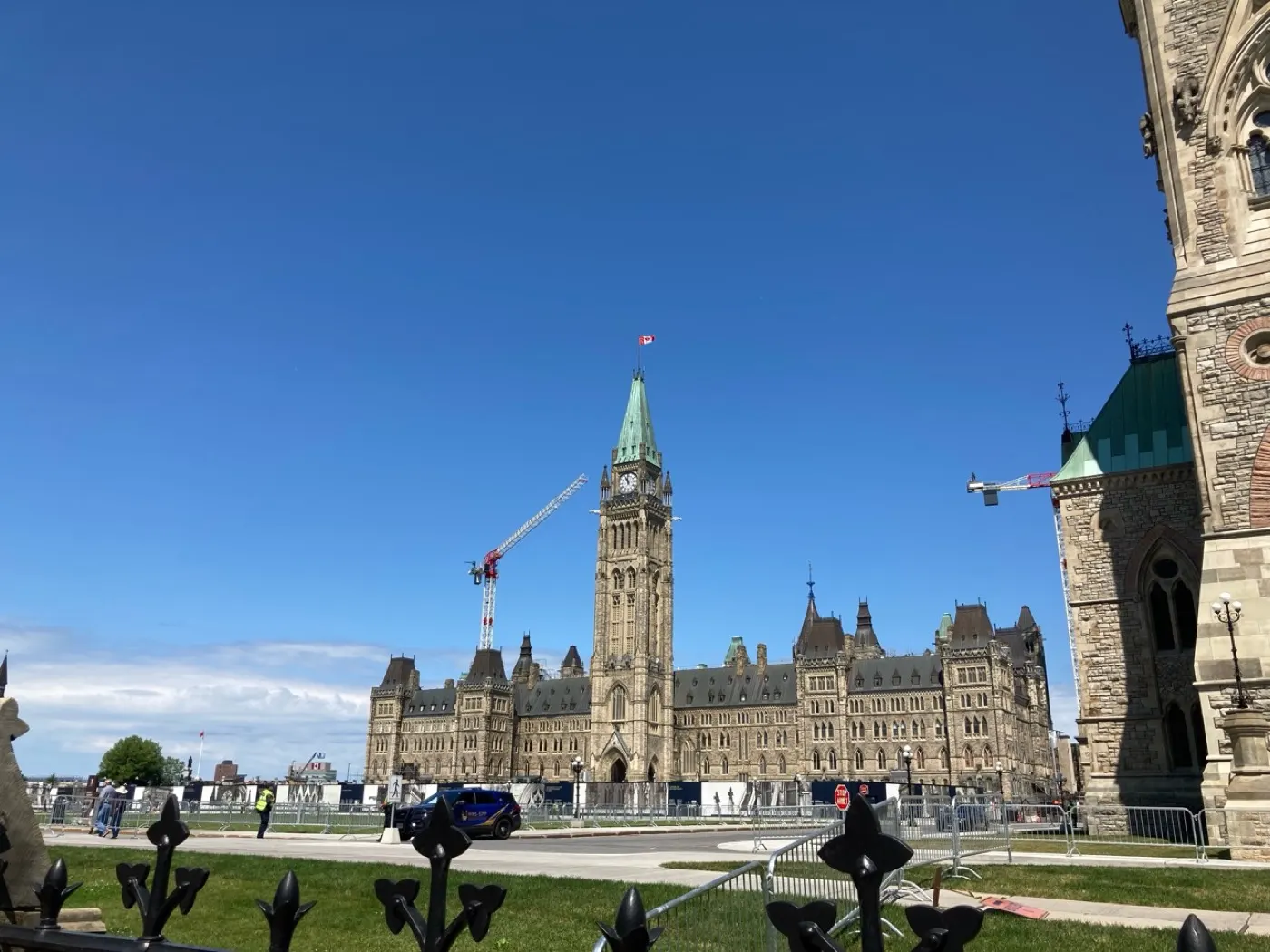
Parliament Hill is the reason many people come. It is also the reason Ottawa feels different from Toronto, Niagara, or the small-town trips on this site. This is where the country argues with itself in stone buildings.
Centre Block and the Peace Tower have been under major rehabilitation for years, so do not assume the tour setup from an old blog post is still current. The official Parliament visitor site is the place to confirm Senate tours, House of Commons tours, East Block tours, immersive experiences, security rules, ticket requirements, and any changed access before you go.
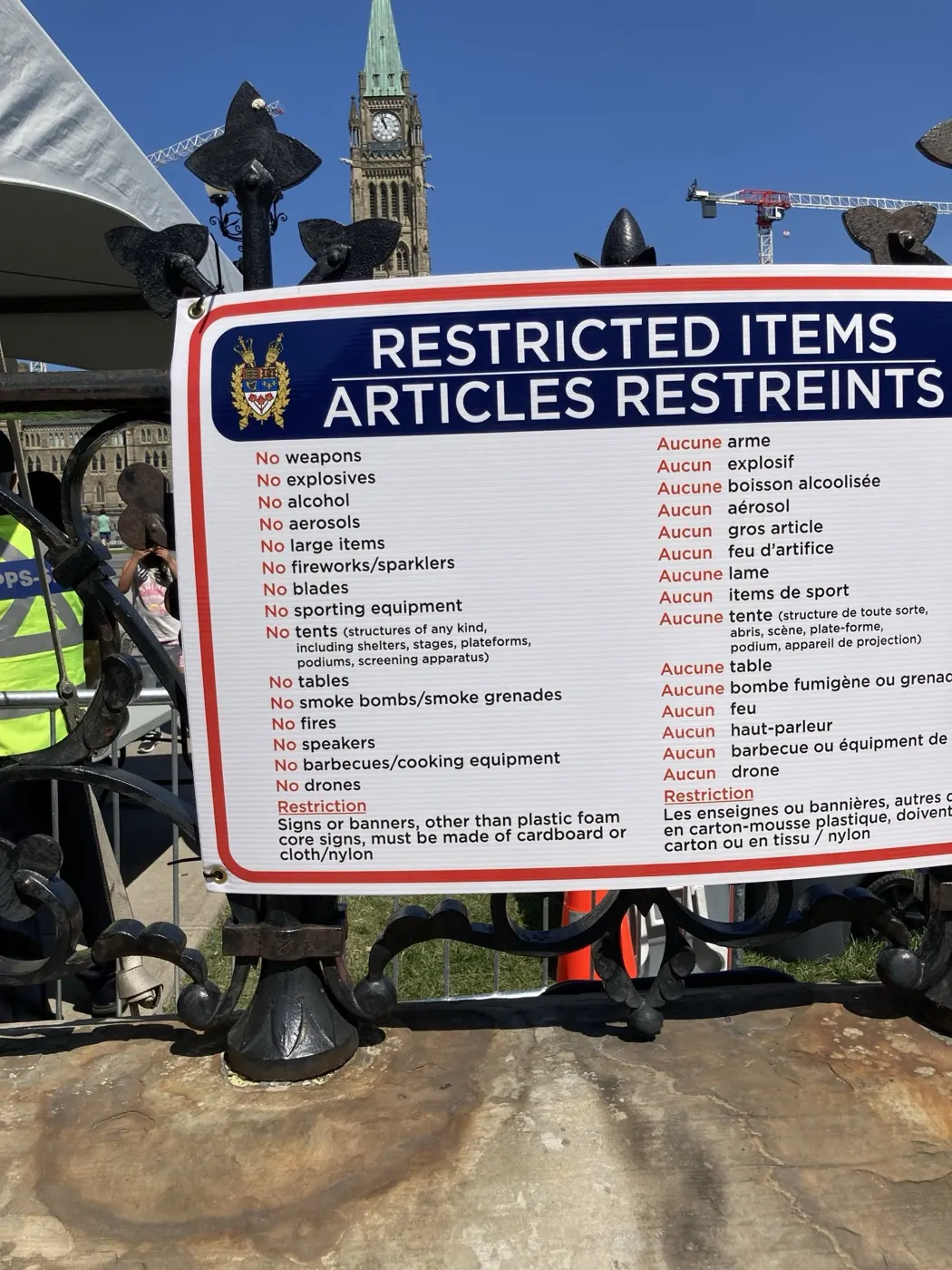
Security is not a side detail. Bag rules, restricted items, fenced zones, demonstrations, road access, and tour locations can change. The more you understand the political importance of the place, the less surprising the security feels.
Freedom Convoy, Emergency Powers, and Why Ottawa Feels Politically Charged
The 2022 Freedom Convoy made Ottawa the centre of one of Canada’s most controversial recent political crises. Trucks and protesters converged around Parliament and nearby streets, the federal government invoked the Emergencies Act for the first time, police cleared the occupation, some participants and organizers faced arrests, charges, jail time or strict bail conditions, and the country argued bitterly about public order, protest rights, and state power.
This is where Ottawa becomes more than a pretty capital. Some Canadians saw the Convoy as a disruptive occupation that had to end. Others saw the emergency measures, financial orders, prosecutions, and treatment of protesters as a civil-liberties overreach by a government already aligned with a more interventionist, left-liberal political culture. A careful travel guide does not need to pretend those views are the same. It should simply admit that both are part of the city’s recent history.
The legal record is also not one-note. The Public Order Emergency Commission released its final report in 2023. Later, the Federal Court of Appeal’s 2026 plain-language summary said the government’s invocation of the Emergencies Act was unreasonable, beyond legal authority, and infringed Charter rights. So yes: Canada has a controversial side. Ottawa is where you can feel it in the street grid.
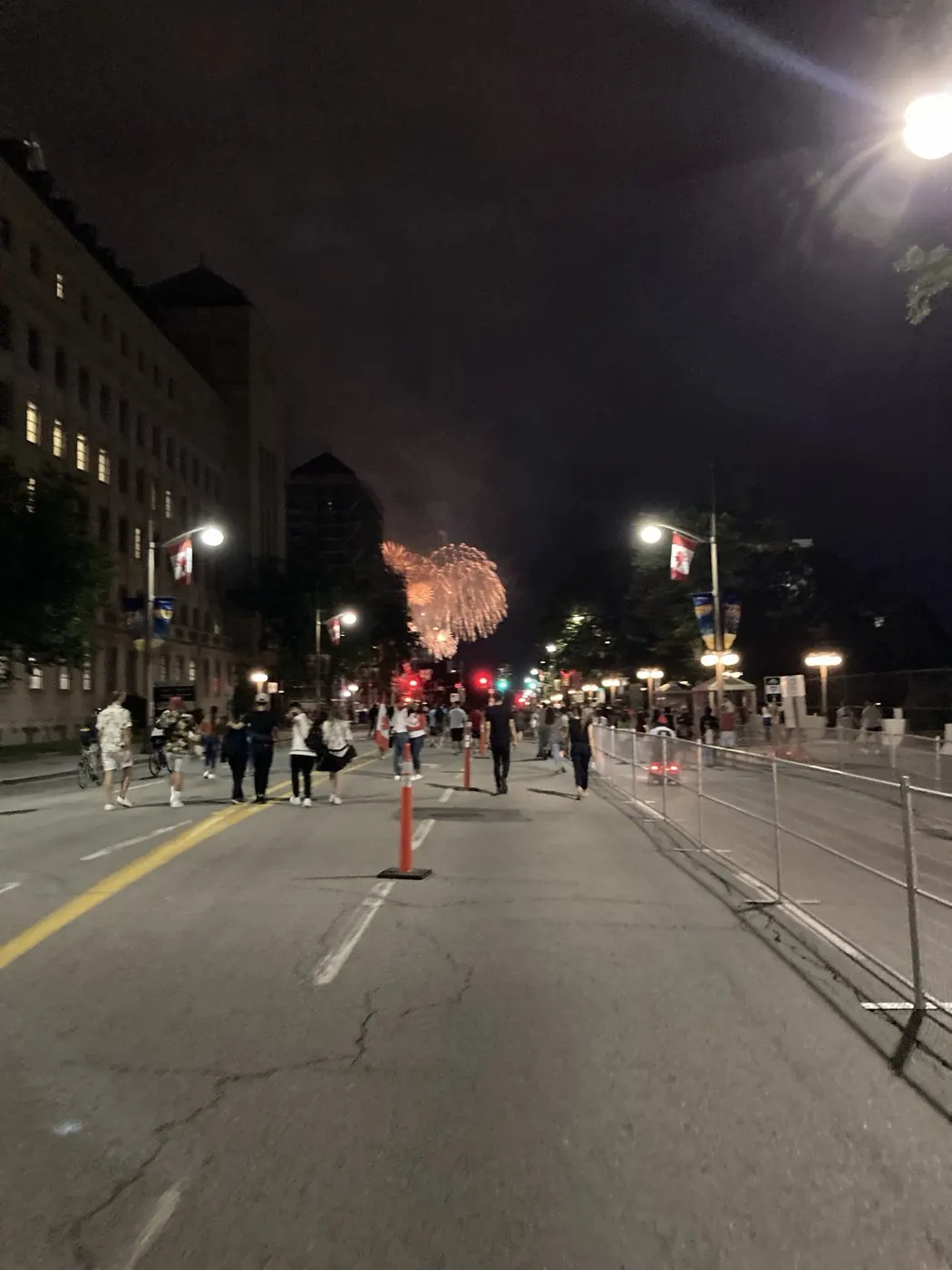
That is why Wellington Street and the Parliament area matter. Roads, fencing, policing, and public-space rules are not just tourist inconveniences; they are visible traces of an unresolved debate about protest, security, and power in Canada.
War Memorial, Terry Fox, Bank of Canada, Gallery, and Notre-Dame
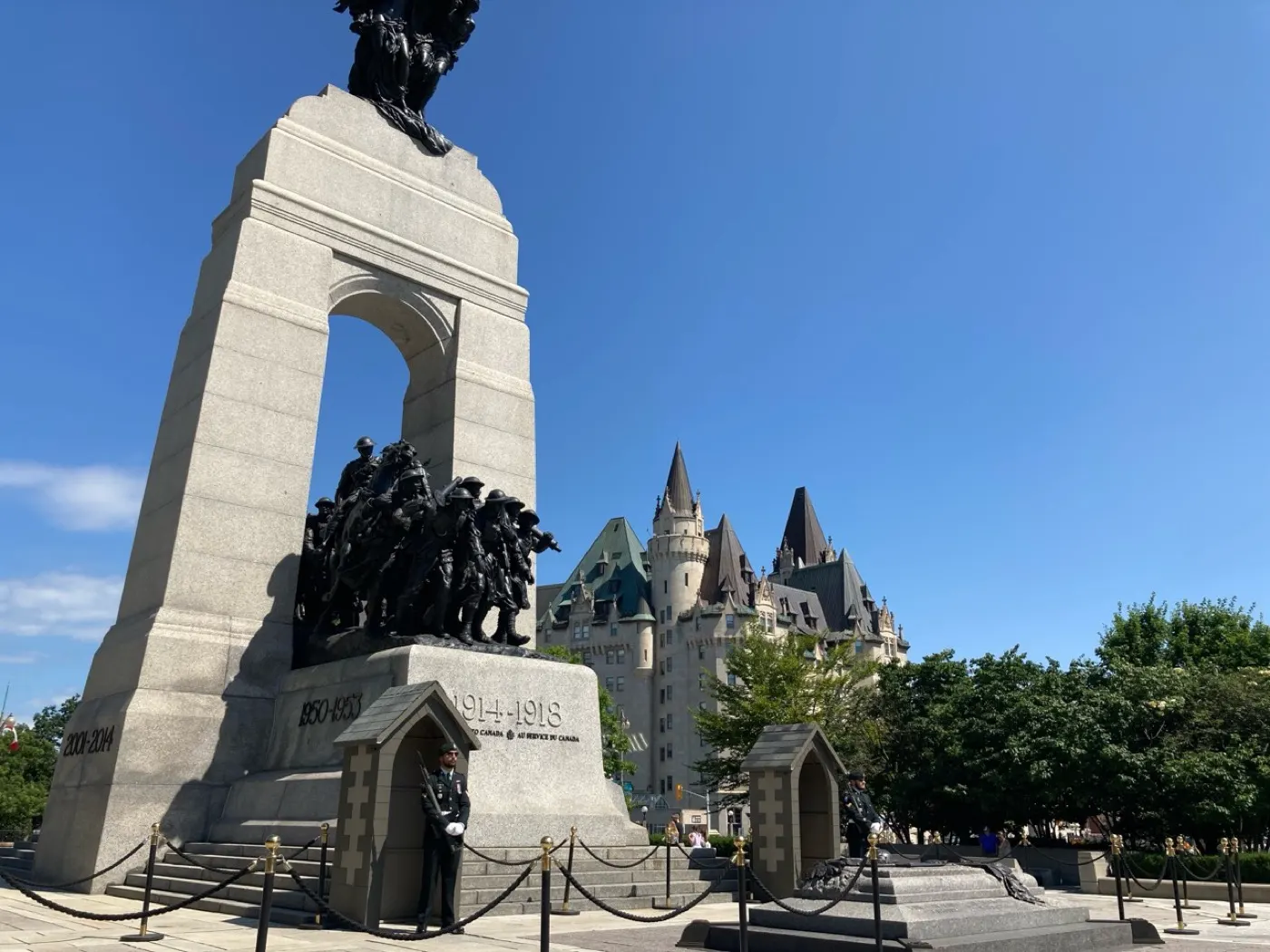
Start near the National War Memorial and Château Laurier. The memorial is one of the most powerful places downtown, and it also carries modern security memory after the 2014 attack at the memorial and on Parliament Hill. Nearby, you can look for the Terry Fox memorial, the Senate of Canada Building, the Bank of Canada, the National Gallery of Canada, and Notre-Dame Cathedral Basilica.
The Bank of Canada Museum is worth checking before you go, but be careful: its official visit page currently says the museum is temporarily closed and asks visitors to check back. The National Gallery of Canada is a major art stop near the cathedral and ByWard Market. Notre-Dame Cathedral Basilica adds the Gothic-revival church layer that makes this part of Ottawa feel older-world than a generic office district.
Old-World Architecture and Walkable Streets
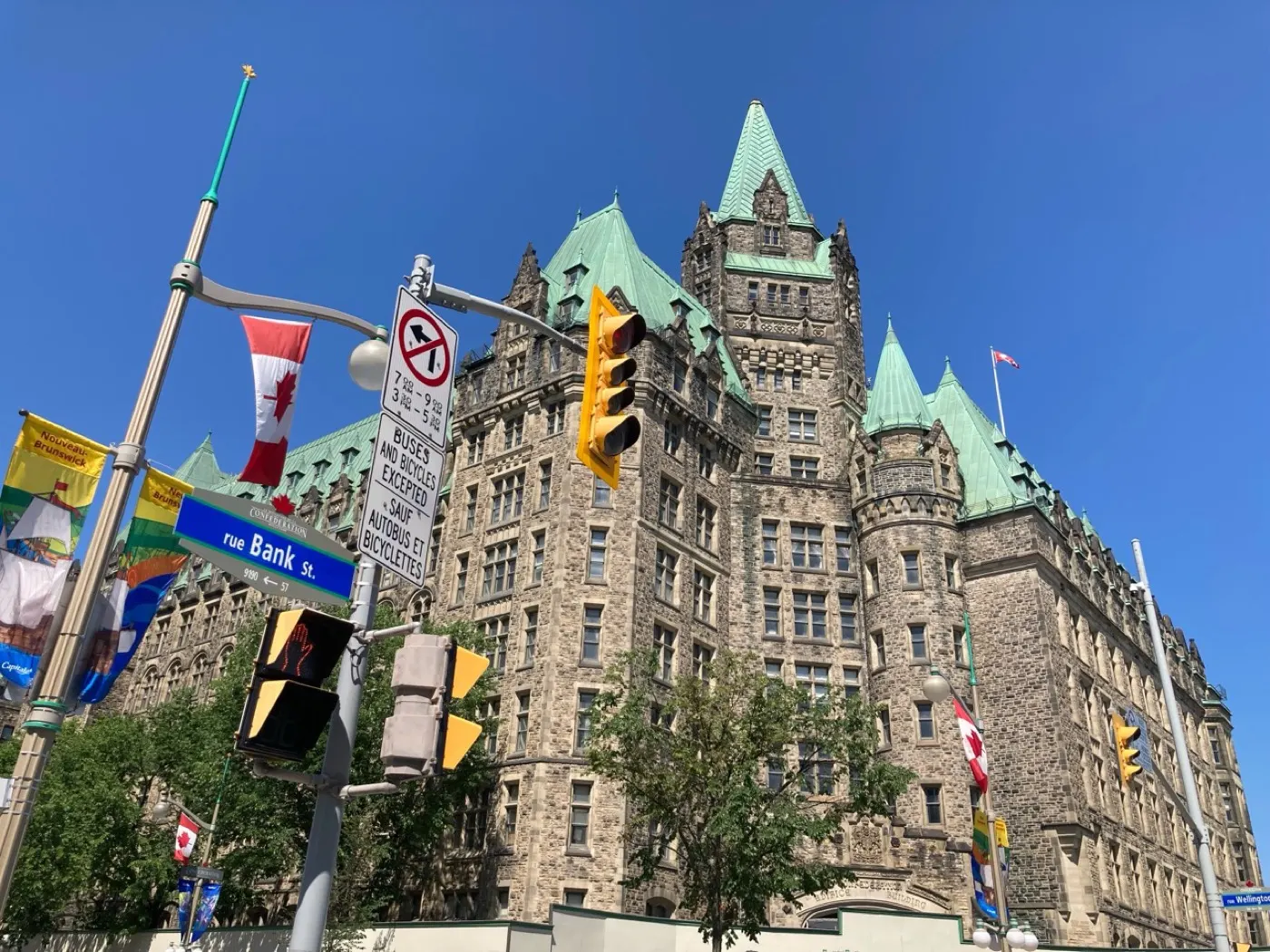
The best Ottawa walk is not complicated. Move between Parliament Hill, Wellington Street, Bank Street, Sparks Street, Elgin Street, the Rideau Centre area, and ByWard Market. Look up. The stone, copper roofs, old institutional buildings, embassies, flags, and narrow downtown streets give Ottawa a more European capital feeling than most Canadian cities.
Sparks Street is the pedestrian street to include if you want the old downtown coffee-and-restaurant feeling close to Parliament. It can be uneven by time of day and season, but the idea is exactly right: stone paving, patios, offices, national politics nearby, and a street that feels different from a mall parking lot. ByWard Market is the busier food, shopping, nightlife, and tourist district; the district authority describes it as Ottawa’s heritage destination and home to hundreds of businesses.
Sightseeing Bus and Amphibious River Tour
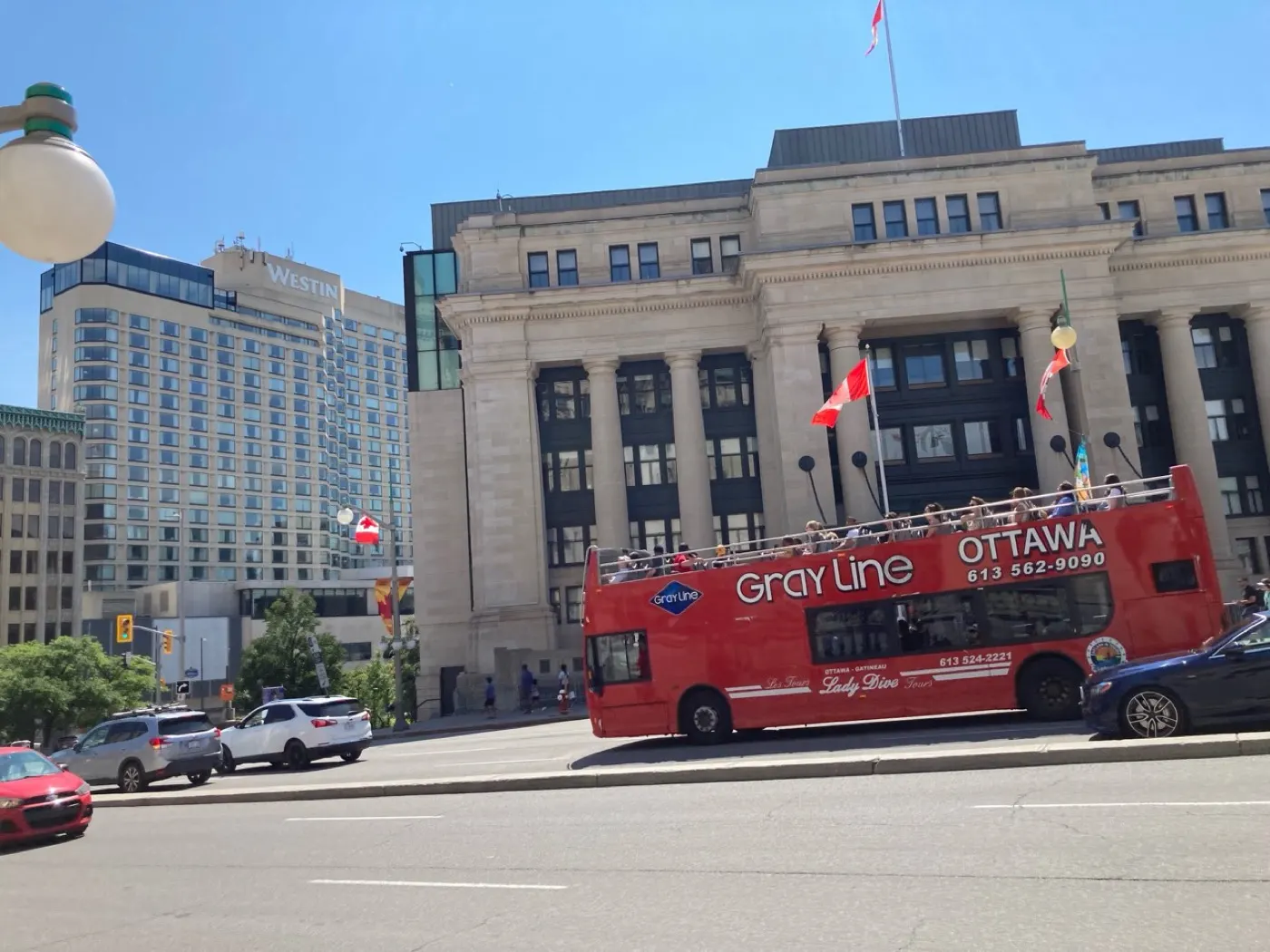
If you want the tourist version in one sweep, Ottawa is a good city for a sightseeing bus. The red double-decker buses are visible around the core, and Lady Dive operates the famous amphibious-style tour that drives through the city and goes into the river. It is gimmicky in the best possible way: exactly the kind of thing visiting relatives remember.
If that sounds like your kind of first-day orientation, you can check current availability for the Ottawa City Tour Amphibus through Tiqets.
Disclosure: This guide contains an affiliate link. If you book through it, Ontario Local Trips may earn a commission at no extra cost to you.
Use the tour as an orientation, not as your only experience. The real Ottawa value comes from walking the same ground afterward and understanding what you are looking at.
Cross the River to Gatineau
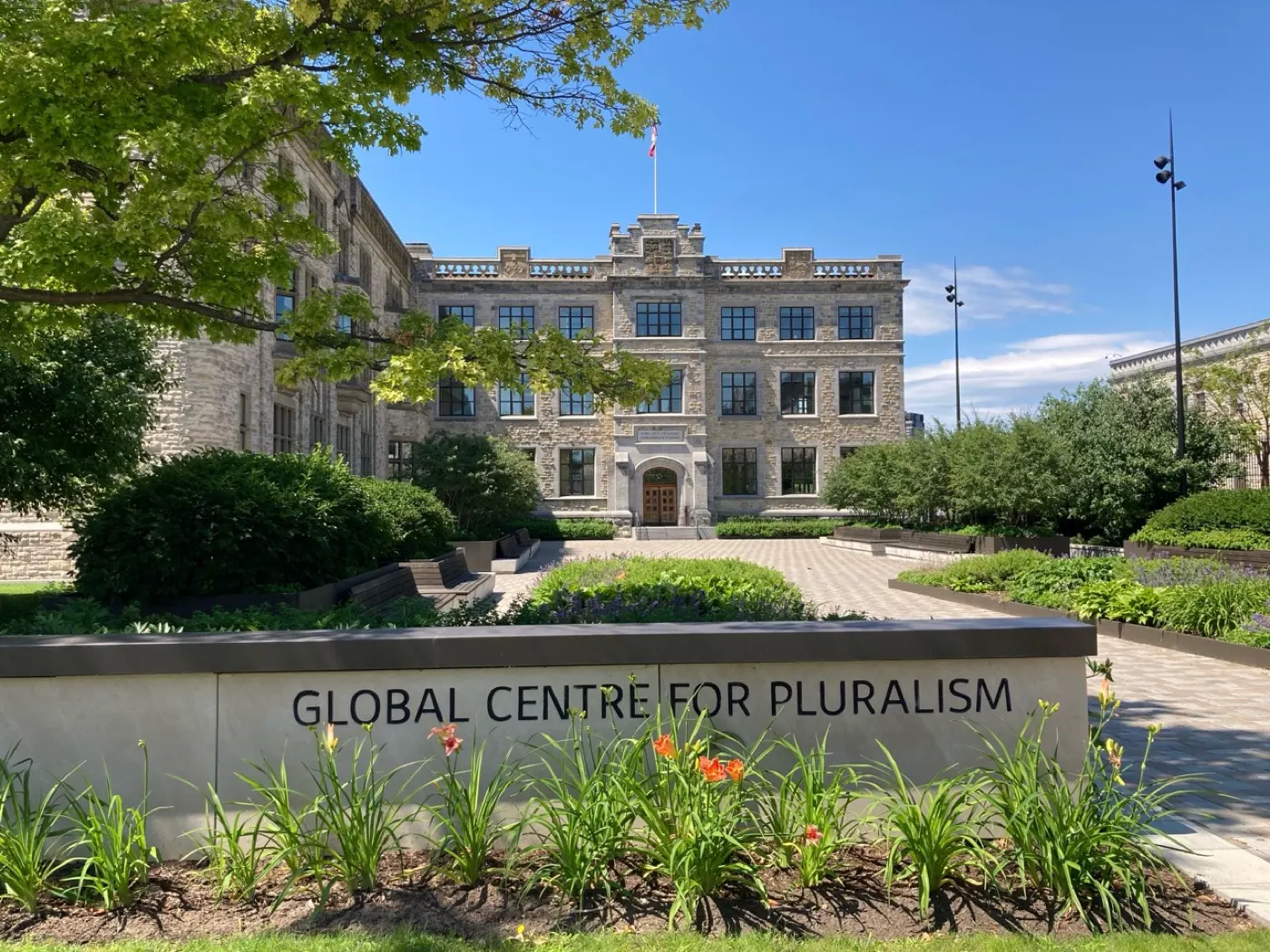
One of Ottawa’s best tricks is that Quebec is right there. Cross to Gatineau and the city changes language, province, road signs, and cultural mood almost immediately. Even if you do not build a full museum day, go to the river edge and understand that Canada’s capital region is bilingual and two-sided by geography, not just by policy.
A Practical One-Day or Weekend Plan
- Morning: Parliament Hill area, exterior photos, visitor-tour check-in if you booked one.
- Late morning: National War Memorial, Château Laurier exterior, Senate of Canada Building area, and Sparks Street coffee.
- Afternoon: National Gallery, Notre-Dame Cathedral Basilica, ByWard Market, or a sightseeing bus.
- Evening: Walk toward the river or return to ByWard/Sparks for restaurants and coffee.
- Second day: Gatineau, museums, a longer river walk, or a calmer architecture/photo route.
What to Check Before You Go
- Parliament tour availability, current buildings, and security rules.
- O-Train and bus service alerts if you are relying on transit.
- Bank of Canada Museum status, since the official page can show temporary closure.
- Weather, especially if your plan depends on walking, patios, or the river.
- Demonstrations, road closures, and large-event security around Parliament.
Ottawa Travel FAQ
What are the best things to do in Ottawa, Canada?
Start with Parliament Hill, the National War Memorial, Sparks Street, ByWard Market, the Ottawa River lookout toward Gatineau, the National Gallery, and Notre-Dame Cathedral Basilica. Ottawa is strongest when you treat it as a walkable capital district, not just a list of buildings.
Can you visit Ottawa from Toronto by train?
Yes. VIA Rail connects Toronto Union Station with Ottawa, making Ottawa one of the strongest car-free city trips from Toronto. Check current schedules before booking and leave a buffer for arrival plans.
Why is Ottawa interesting for Canadian history and politics?
Ottawa is Canada’s capital, so national architecture, Parliament, memorials, security, protest history, and government power all meet in a compact downtown. The Freedom Convoy and later legal debates around the Emergencies Act are part of that recent history.
Is Ottawa better as a day trip or weekend from Toronto?
Ottawa can technically be rushed, but it works much better as a weekend from Toronto. A weekend gives time for Parliament, the river, Gatineau, museums, Sparks Street, ByWard Market, and a slower walk through the capital core.
Final Take
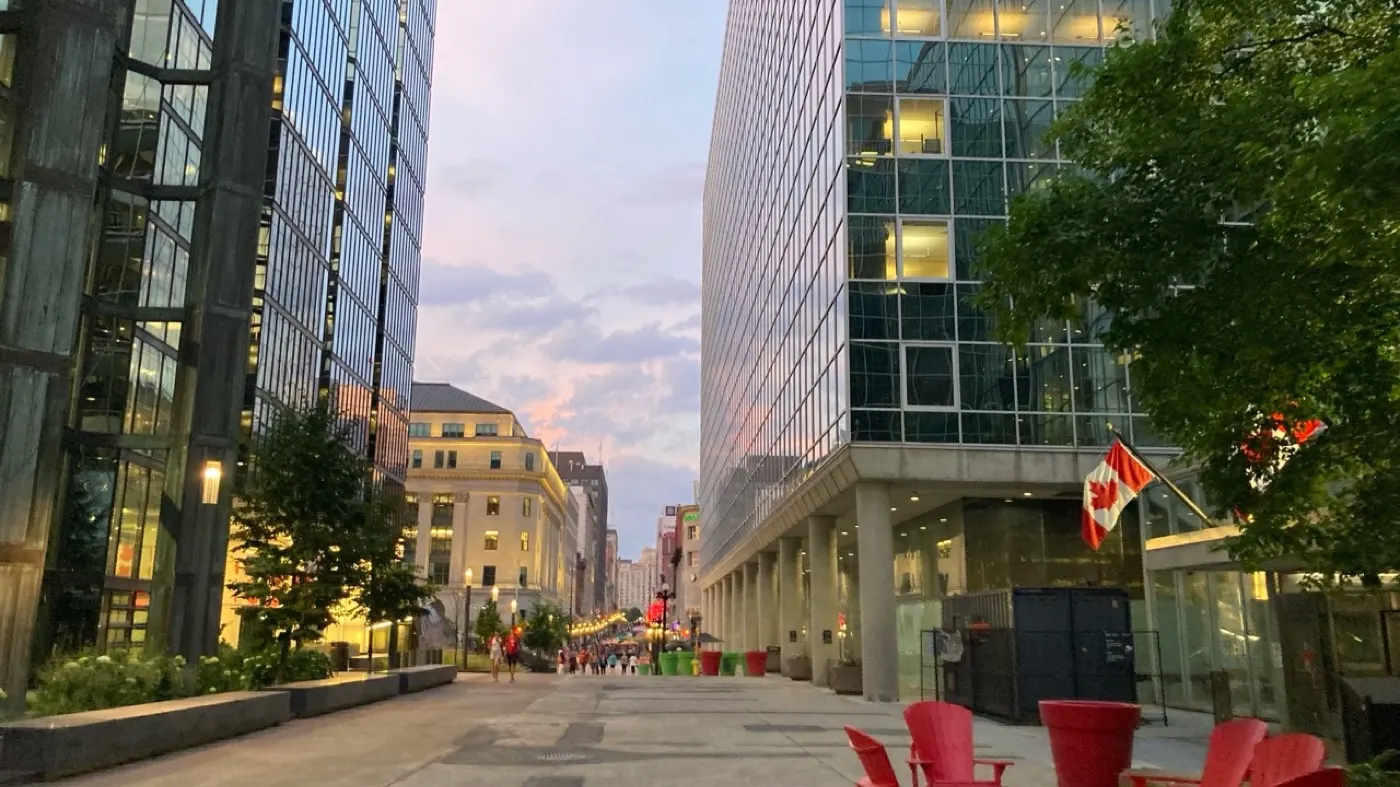
Ottawa is not Toronto, and it should not try to be. It is smaller, more ceremonial, more political, and more architecturally coherent in the core. Go for Parliament, the river, the memorials, the old-world streets, and the feeling that Canada’s public life is happening right in front of you.
If you arrive expecting only a quiet government town, Ottawa may surprise you. If you arrive knowing the country has both patriotic pageantry and sharp political conflict, the city becomes far more interesting.