Start at Toronto Union Station and board a Kitchener line GO train for Kitchener GO. Waterloo does not have its own GO station, so the final leg uses Grand River Transit; ION light rail runs through Downtown Kitchener and Uptown Waterloo. Check the GO Trip Planner for your exact date before choosing Waterloo, Stratford, or both.
This rail guide connects back to Union Station and the CN Tower and forward to broader Canada travel planning from Toronto. For a longer capital-city rail trip, use the Ottawa capital guide.
Quick answers for planning the GO Train trip
How do I get from Union Station to Waterloo by train?
Take a Kitchener line GO train from Toronto Union Station to Kitchener GO, then connect with Grand River Transit for Waterloo. ION light rail runs between Fairway Station in Kitchener and Conestoga Station in Waterloo. Check the GO Trip Planner for your exact date.
Is there a direct GO Train from Toronto to Waterloo?
No. GO trains do not stop in Waterloo proper. The rail portion ends at Kitchener GO, where you transfer to Grand River Transit for Downtown Kitchener, Uptown Waterloo, the universities, or other Waterloo stops.
How do I get from Kitchener to Waterloo?
Use Grand River Transit. ION light rail runs between Fairway Station in Kitchener and Conestoga Station in Waterloo, with stops through Downtown Kitchener and Uptown Waterloo.
Can I take GO Train from Toronto Union Station to Stratford?
Yes. GO Transit says the Kitchener line has year-round Stratford service seven days a week, but service remains limited. On weekdays, the direct Union-to-Stratford train is an afternoon rush-hour trip, so weekends are usually the more practical option for a same-day trip from Toronto. Always check the GO Trip Planner and service alerts for your exact date.
How much does a GO trip from Union Station to Stratford cost on a weekend?
For a Saturday, Sunday, or holiday trip, check GO Transit's One-Day Weekend Pass before calculating a point-to-point return fare. GO says the pass gives one rider aged 13+ unlimited GO train and bus travel on the activation day, including Stratford service; it must be bought online and activated on a smartphone. The current pass price is set on GO Transit's official page, so confirm it there before purchase. Children 12 and under ride GO free.
Official checks: Last checked: August 11, 2026. Confirm the GO schedule, Kitchener station connections, service alerts, the current Weekend Pass terms and price, and the current GRT/ION network before travelling. GO Trip Planner · Kitchener GO station · ION light rail · GO Transit Stratford service · GO Weekend Pass
Kitchener GO to Waterloo: where to transfer to ION
Kitchener GO and ION Central Station are separate stops. GRT's Central Station map marks Kitchener Train Station about 600 metres away. Allow time to walk between them; this is not a same-platform transfer. Use the official Kitchener Train Station and Central Station maps for the station exits, nearby bus stops and ION platforms.
- Arrive at Kitchener GO. For a train-based trip, continue to Central Station for ION. If the walk does not suit your group, check GRT's trip planner for a bus connection from Kitchener Train Station to your exact Waterloo destination.
- Board ION toward Conestoga. At Central Station, that is the direction for Waterloo. A train marked Fairway heads the other way. Check GRT service alerts for any replacement shuttle before travelling.
- Choose your Waterloo stop before boarding. Waterloo Public Square serves the Uptown area; Laurier-Waterloo Park is useful for the park, and University of Waterloo serves the university. Use the station maps to check the final walk to your actual address.
- Plan the return as well. From Uptown, GRT's current map shows southbound ION toward Fairway at Willis Way, a different platform location from northbound Waterloo Public Square. Return to Central Station and leave time to reach Kitchener GO before your Toronto train.
Does a GO ticket include the ION fare?
Budget for the local GRT/ION leg separately unless you qualify for GRT's Connect-to-GO rebate. That program requires enrolment with an EasyGO fare card and does not apply to passes. A GO Weekend Pass covers GO travel; it does not by itself pay for ION. For an occasional visit, you can buy an ION ticket at the platform vending machine using cash, credit or debit before boarding and keep it as proof of payment. Check GRT's payment instructions and current fares.
Waterloo also has GO bus stops, including University of Waterloo Station. If your trip planner offers a bus itinerary, follow that itinerary rather than adding an unnecessary Kitchener train transfer. See GRT's GO connection guide.
Transfer details checked: September 10, 2026, against GRT's station maps and fare guidance. The Uptown map is effective September 7, 2026. For places to visit after arrival, open our Kitchener–Waterloo day-trip guide.
Start at Union Station
Treat Union Station as the gateway, not just the departure point. It is where this route becomes easy for Toronto visitors, newcomers, international students, and families who do not want to rent a car. From Union, the Kitchener line runs west through the GTA and Waterloo Region before reaching Stratford.
That internal connection matters: if someone is already reading about Union Station and the CN Tower, this article gives them the next step. Start with a downtown Toronto morning, then use GO for a bigger Ontario day.
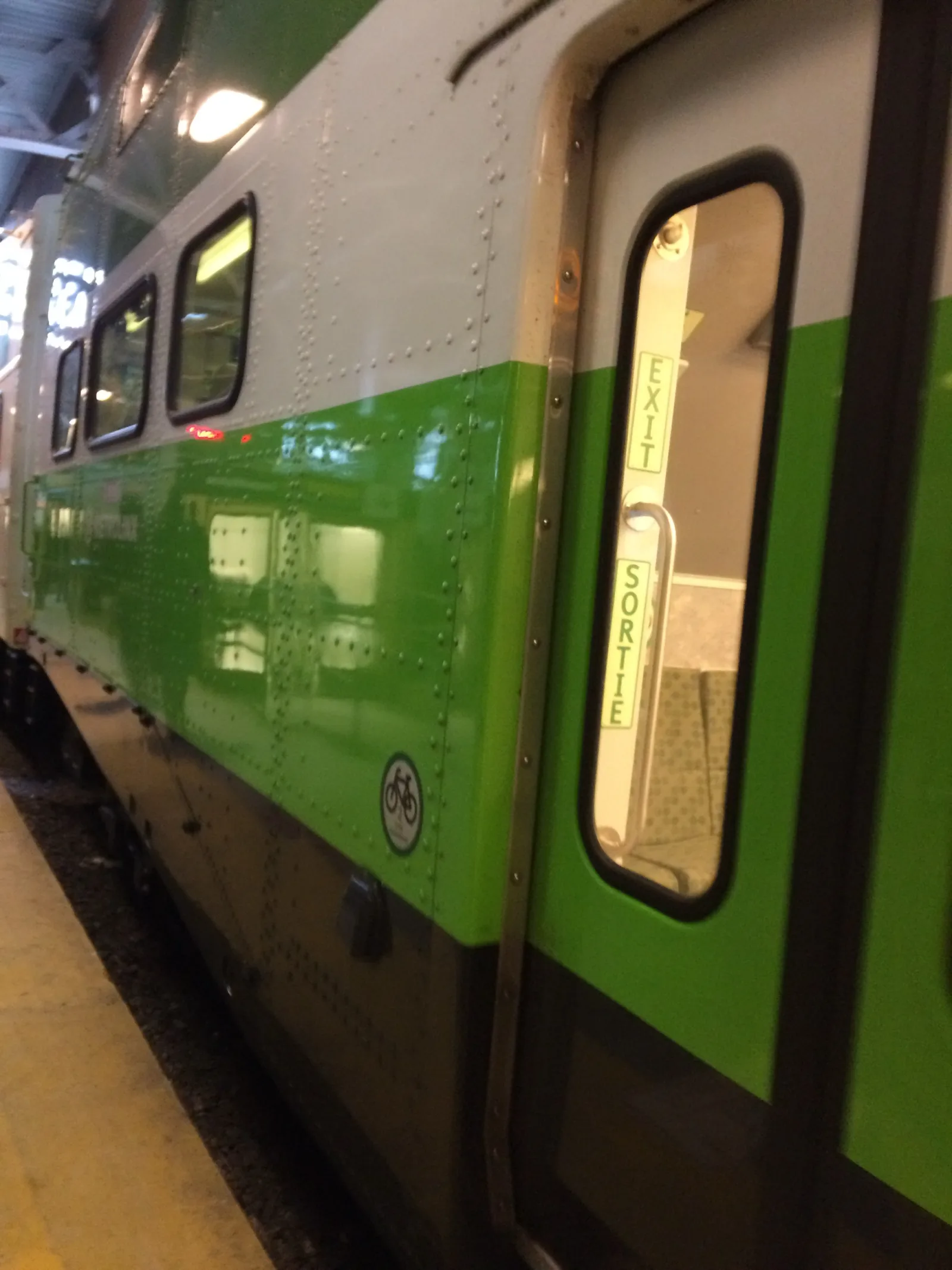
Kitchener stop
Kitchener is the practical middle stop. From the train station area, you can connect into the ION light rail corridor and reach Downtown Kitchener or continue toward Uptown Waterloo. It is one of Ontario's few places where a day trip can include both regional rail and modern light rail without needing a car.
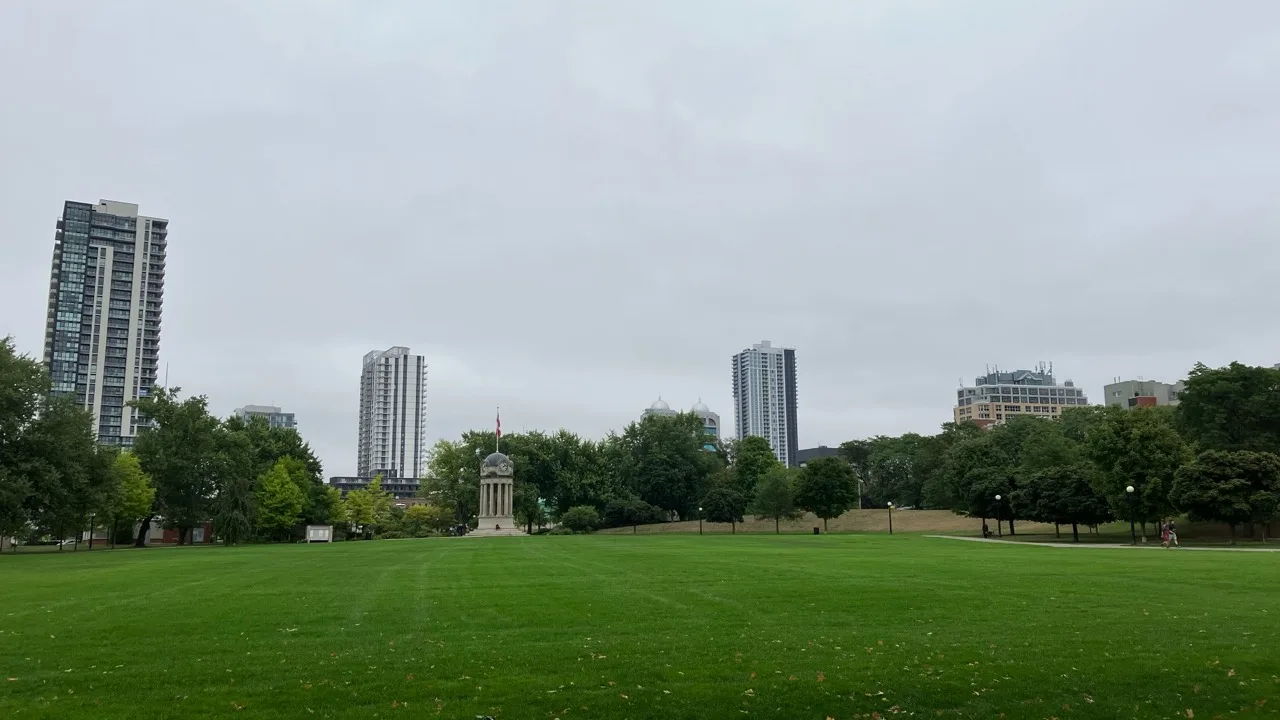
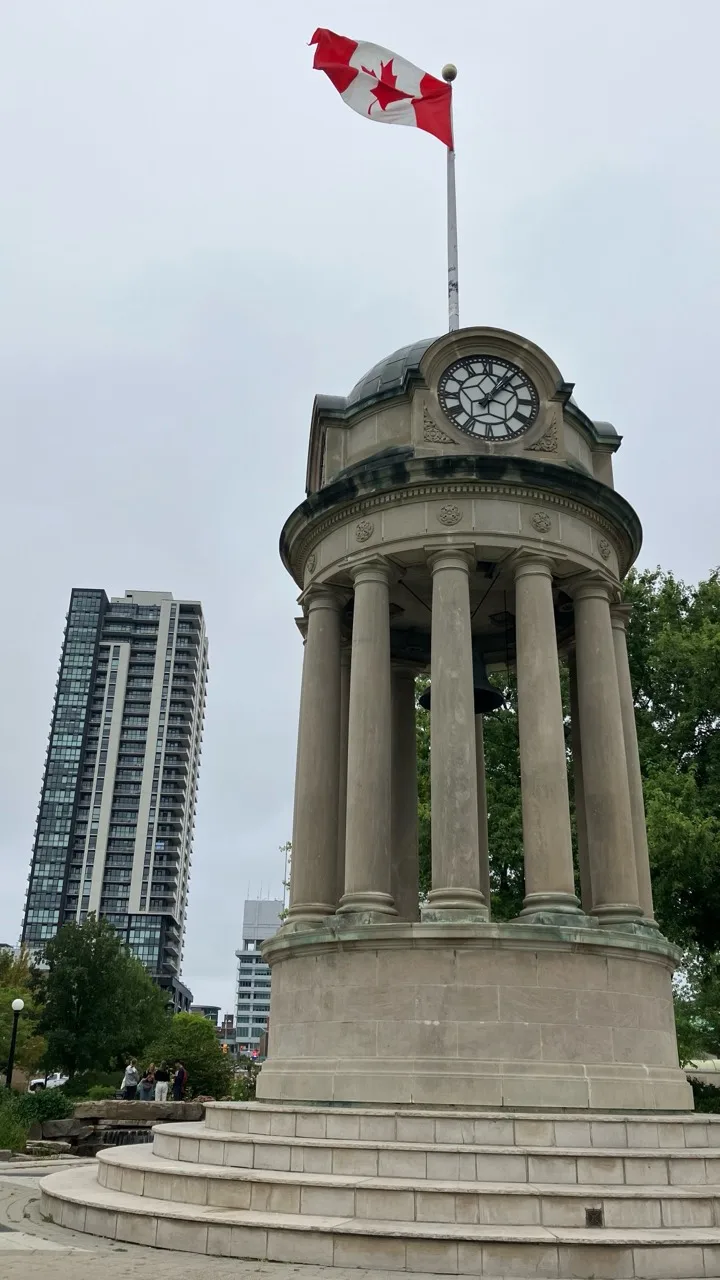
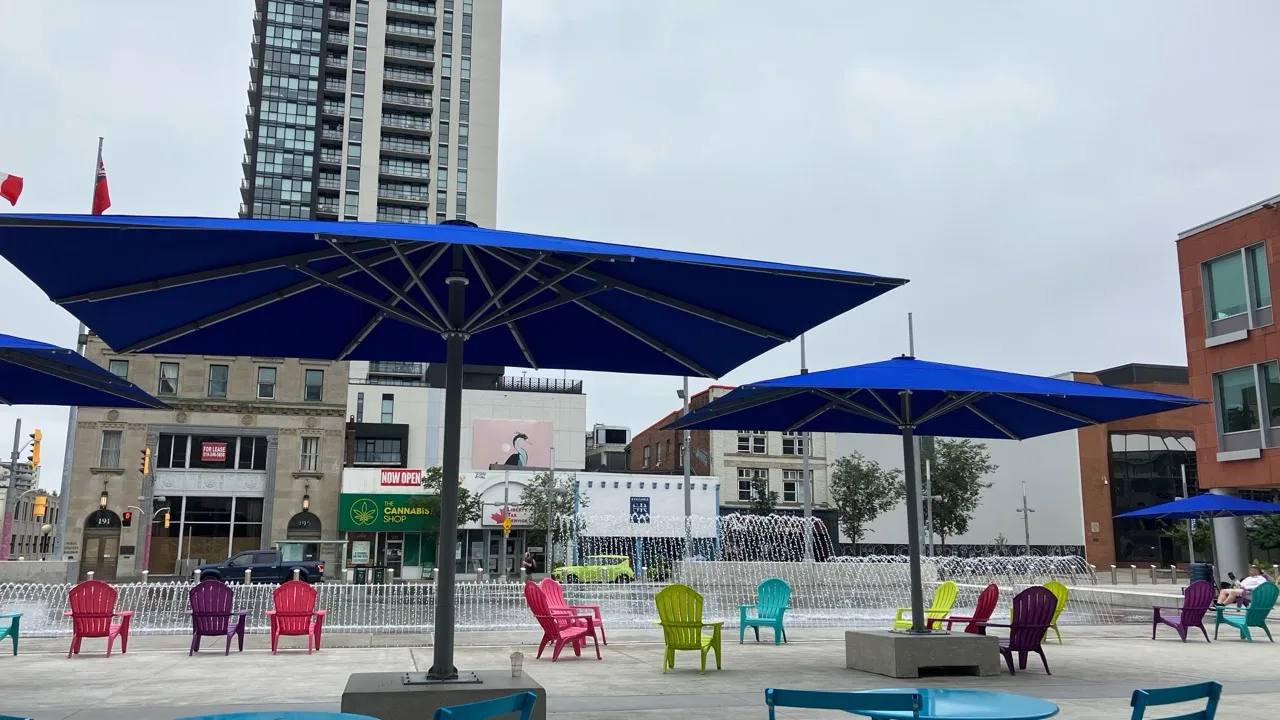
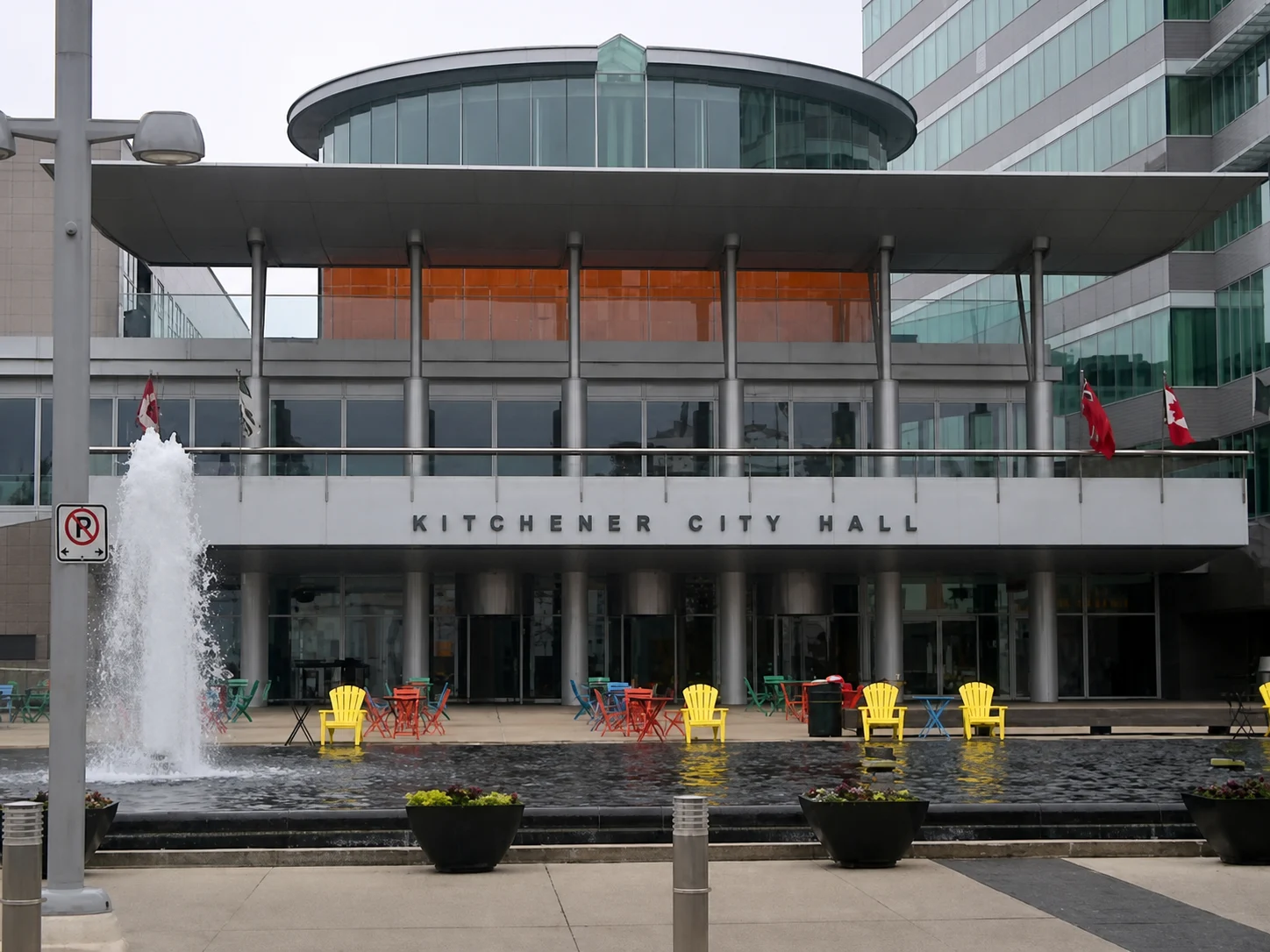
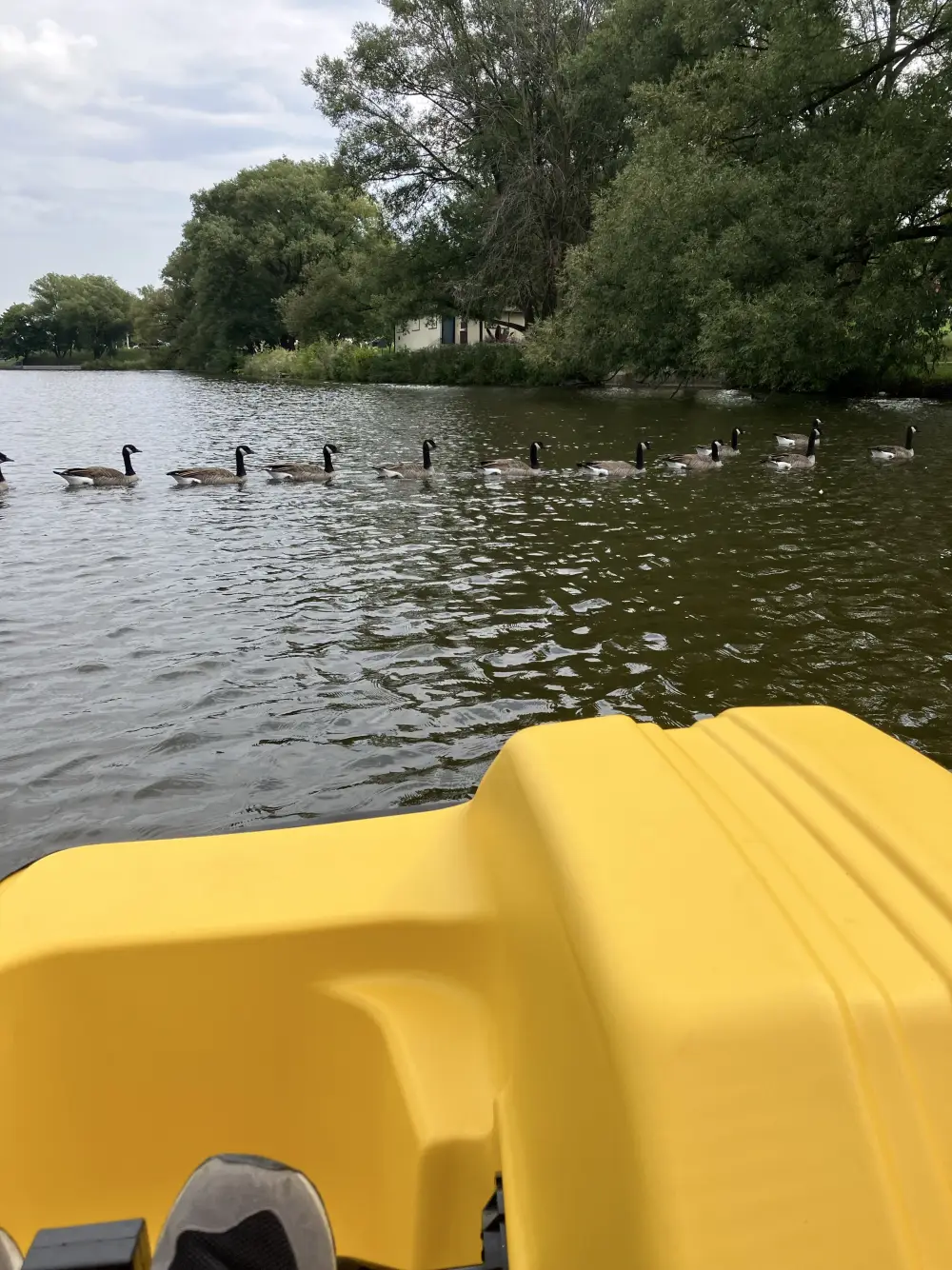
Kitchener used to be called Berlin, and the German layer still matters. The region is known for Kitchener-Waterloo Oktoberfest, often described as the largest Bavarian festival in North America. Add Victoria Park for an easy walk; in summer, the paddle boats can be part of the day, including the swan-shaped ones people remember.
Be honest about the downtown: it is not just postcard material. Like many Ontario cities, Kitchener has visible homelessness and encampment issues around parts of the core and parks. That does not mean skip it, but it does mean go with realistic expectations, especially if you are bringing visiting parents or younger kids.
Waterloo stop
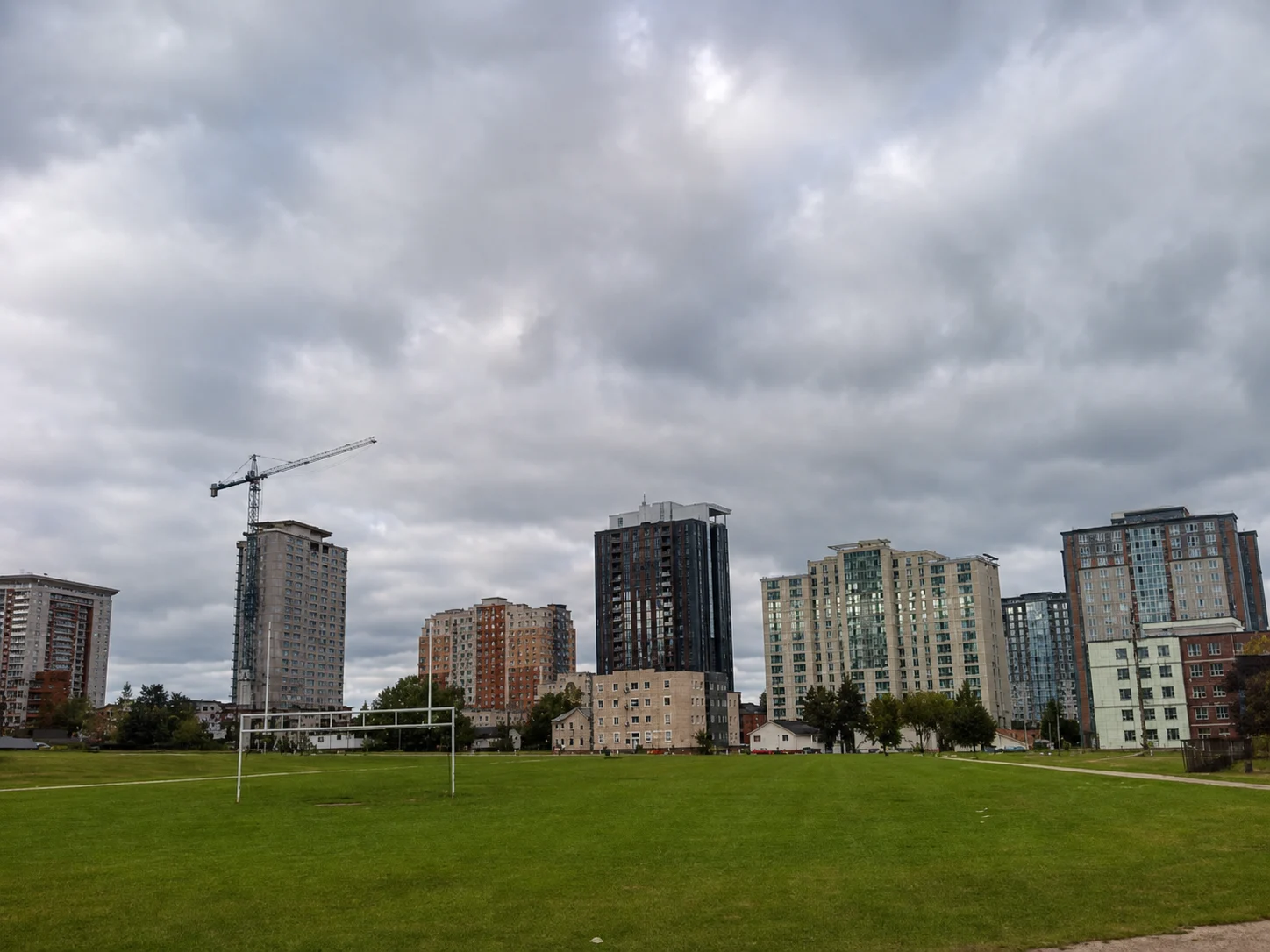
Waterloo feels like a university town that grew into a tech corridor. The University of Waterloo gives the city its computer science reputation, Wilfrid Laurier adds a strong business-school presence, and the student population includes very visible Chinese and Indian communities. If you studied here, the change is almost surreal: construction has turned much of the area into something that feels like a mini Toronto suburb.

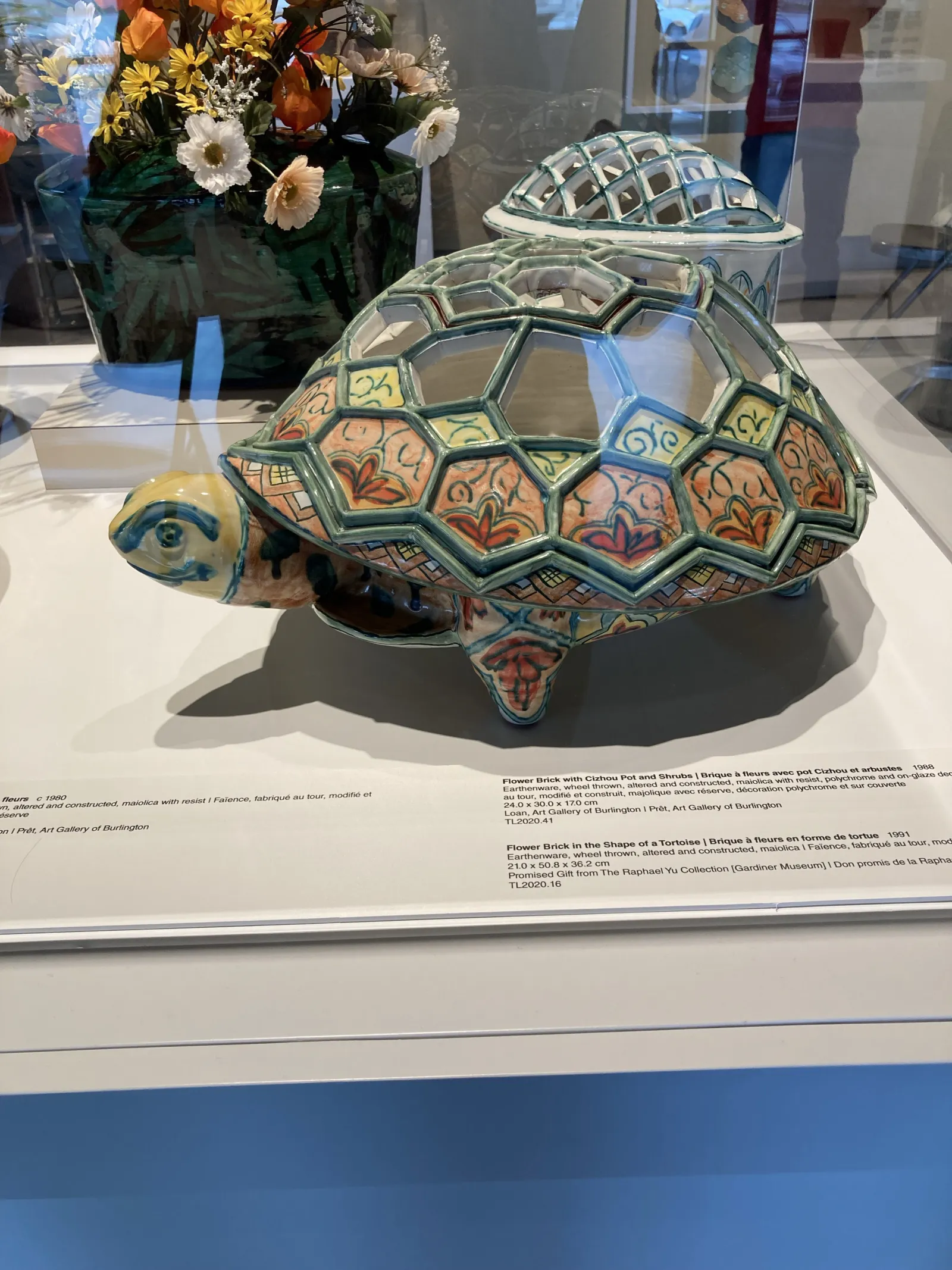
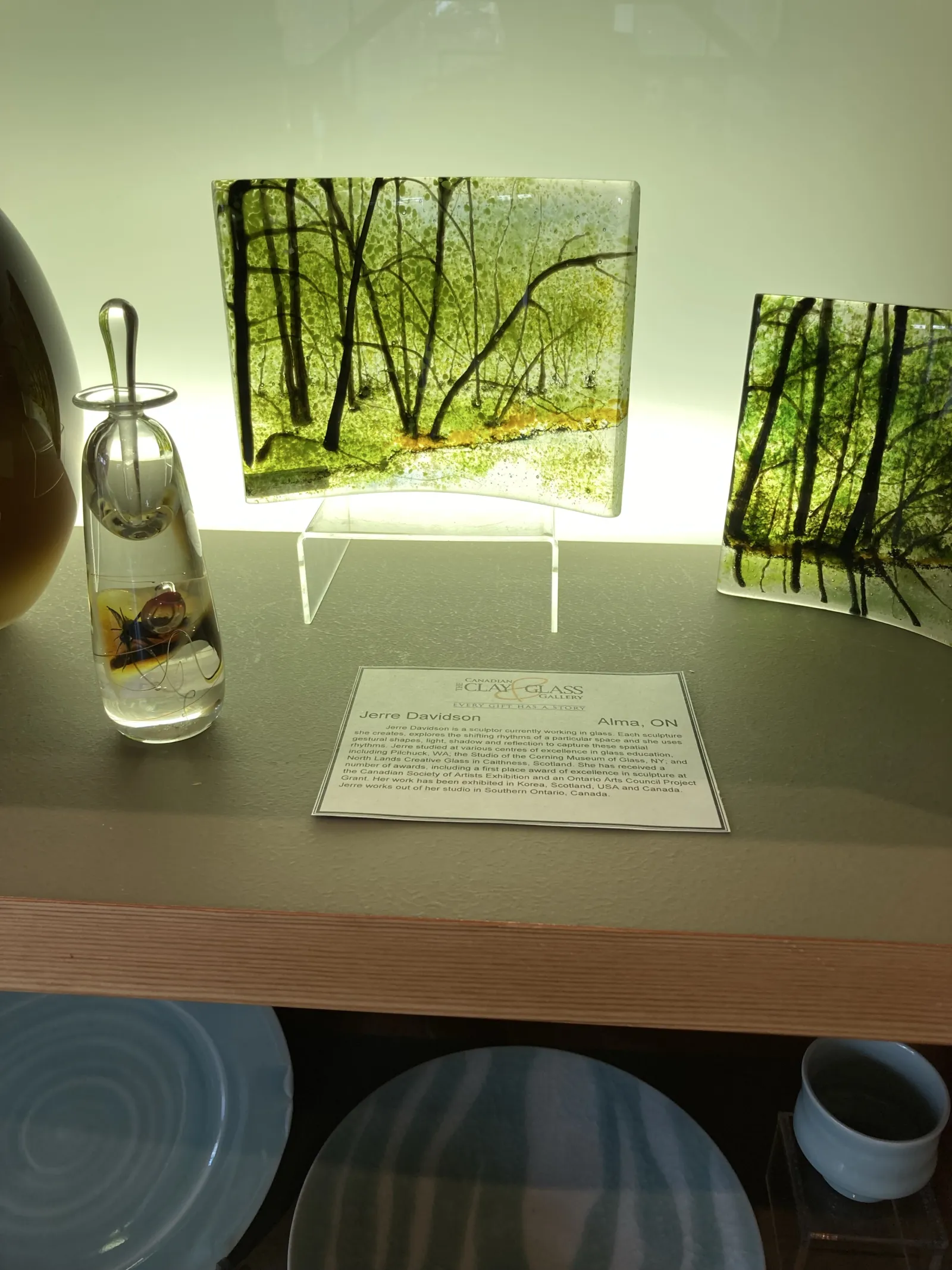

Waterloo Park is the easy outdoor anchor: lake, bridge, paths, and the memory of the old animal area that locals still talk about. Nearby Uptown Waterloo adds food, cafes, and the Canadian Clay and Glass Gallery. If you want the German thread without turning the day into Oktoberfest, a bakery stop is the quiet version.
Final stop: Stratford
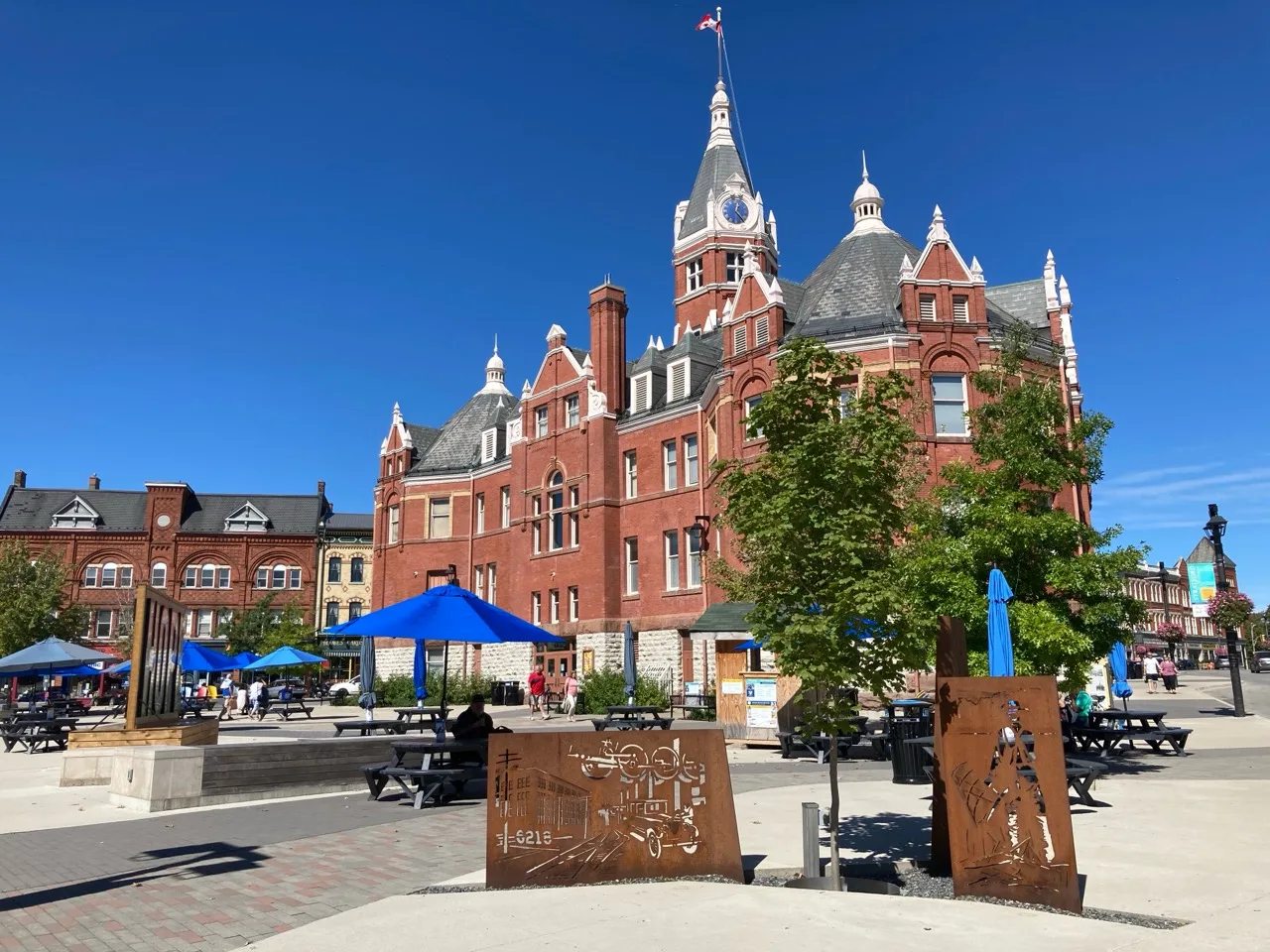
Stratford is the destination that makes this GO extension exciting. You can arrive for theatre, river walks, music, small shops, City Hall photos, and an easy downtown loop without needing a car once you are there.

For a simple route, walk from the station toward downtown and the Avon River area. Add the Stratford Festival if you are planning ahead, or keep it casual with City Hall, the river, shops, and food. In summer, look for music on the floating MusicBarge or similar river programming. Also keep an eye out for Indigenous art downtown and the ongoing local joke that Stratford is, forever, Justin Bieber town.
Best way to use this route
- Shortest version: Union Station to Kitchener, ION into Downtown Kitchener or Uptown Waterloo, then return.
- Best full-day version: Union Station to Stratford, with Kitchener-Waterloo saved for another day or a shorter stop if the schedule allows.
- Best content route: Union Station article, then this GO article, then the Cambridge/Galt article for a separate Waterloo Region car or transit day.
What I would not do
I would not try to cram Kitchener, Waterloo, Cambridge, and Stratford into one relaxed day unless you enjoy logistics more than travel. The better play is to make this a rail corridor series: Union Station as the starting point, Kitchener-Waterloo as the middle story, Stratford as the theatre-and-river destination, and Cambridge/Galt as the old river-town side trip.
Before you travel: confirm the GO-to-Waterloo transfer
Timetables, connections and service alerts can change. Plan the Toronto Union Station–Kitchener part and the Waterloo local leg for your exact date.
GO Transit: Use GO Transit’s trip planner for the train to Kitchener GO and any service alerts.
Grand River Transit / ION: Grand River Transit operates buses and ION light rail in Waterloo Region; ION runs between Conestoga Station in Waterloo and Fairway Station in Kitchener.
Official sources: GO Trip Planner · GRT and ION.