Fall-colour planning works best as a short decision process. Pick a direction from Toronto, check what the trees are doing now, then make sure the route is actually practical for your group. The useful question is not “what date is peak?” It is “which nearby place has good colour and a realistic way in today?”
Late October 2026: check leaf fall before choosing a route
Report checked October 29, 2026: colour change and leaf fall are different measures. A park at 100% colour change may already have lost most of its leaves. Read the report date and both percentages before choosing a drive.
- Forks of the Credit: the October 26 report lists 100% colour change and 80% leaf fall.
- Pinery: the October 26 report lists 70% colour change and 20% leaf fall. It is a longer drive from Toronto; compare the Pinery visit guide before committing.
This is a dated snapshot of the official Ontario Parks Fall Colour Report, not a live feed or a guarantee of today's scenery. Reopen the report for newer observations and check the destination's operating dates, alerts and permits separately.
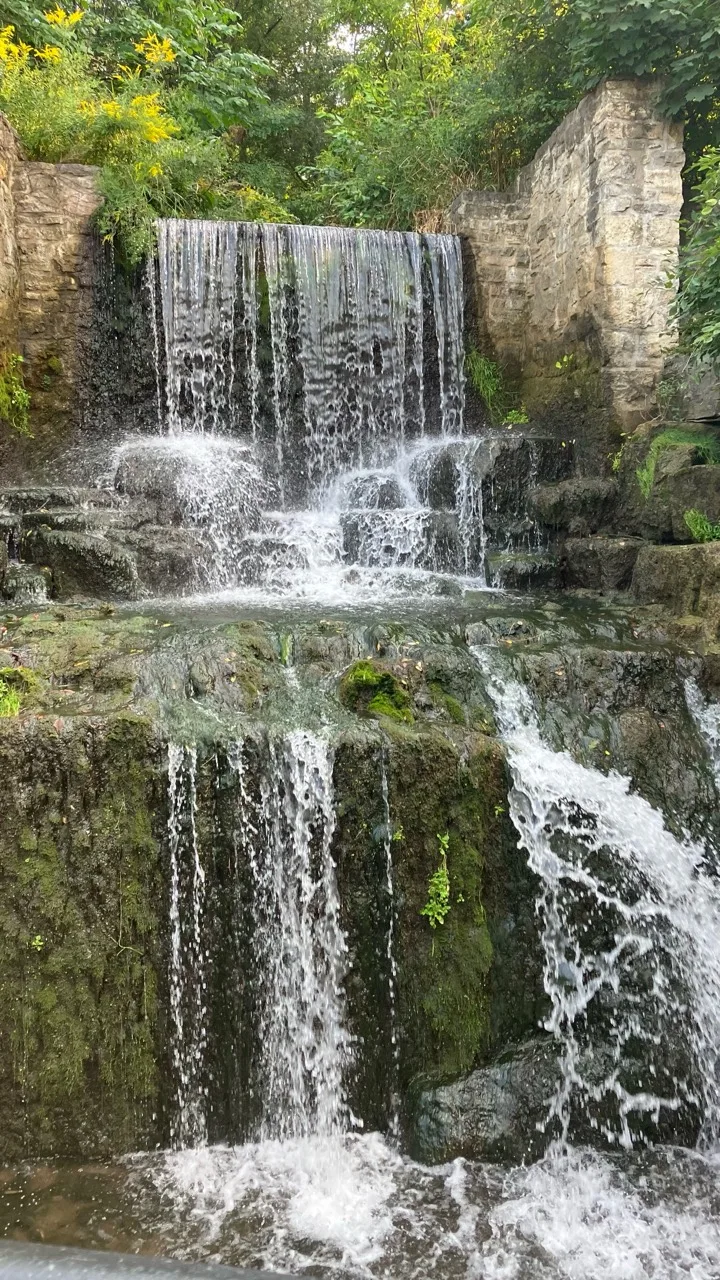
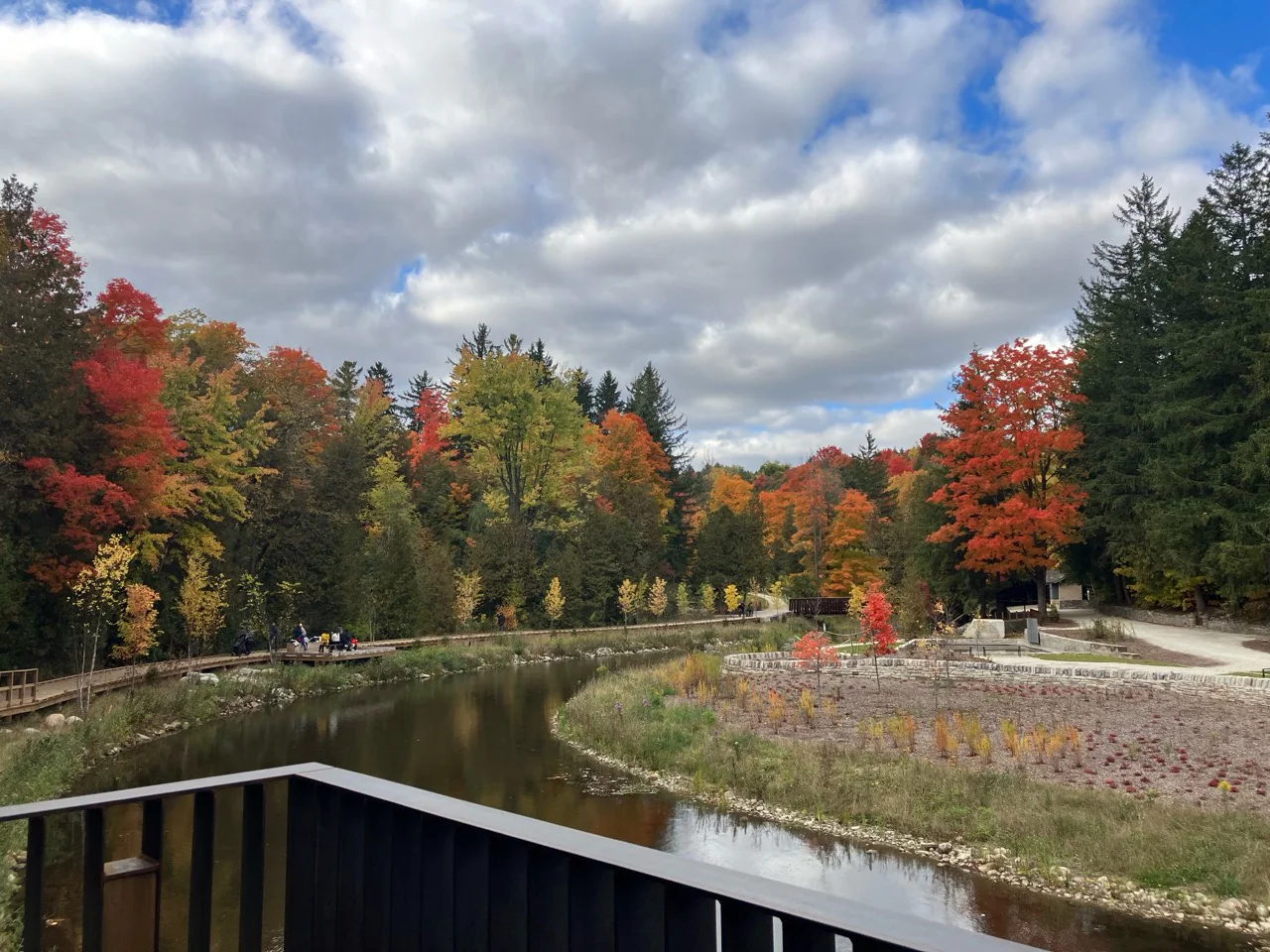
Belfountain is closed for the season. CVC's current park advisory says it will reopen in spring 2027. The photographs show previous visits. If colour or access no longer suits your plan, use the town-walk alternative below.
Use this page in five minutes
1. Start with the live report
Open the official Ontario Parks Fall Colour Report during the autumn reporting season. Its park updates are a better timing signal than a social post or a fixed date.
2. Select the kind of day
Choose Elora for village streets and gorge views or Kelso for lake and Escarpment walks after checking access and conditions. Save Belfountain for a future heritage walk; CVC lists it as closed for the season.
3. Confirm access last
Colour is not an entry guarantee. Timed tickets, small lots, paid parking, road conditions and weather can make a beautiful route the wrong choice that day.
The only colour calendar worth trusting is live
Ontario Parks publishes the Fall Colour Report as an interactive, park-by-park condition tool. The icons and regional view are useful for seeing where colour is developing, and park reports can add more detail about where to look. The report is seasonal: outside its reporting window, it is not a forecast for the next autumn.
That distinction matters around Toronto. A cool night, rain, wind, elevation and tree mix can change the experience from one valley or lakeshore to another. No honest planner can promise one peak date for Caledon, Milton, Elora, Hamilton, Blue Mountain, London and Ottawa. For the 2026 season, use the live report when it is active, then verify the actual destination before leaving.
The report is a timing tool, not a booking tool
Ontario Parks reports provincial parks. Some excellent fall stops in this guide are conservation areas, city trails, private attractions or downtowns, so they may not appear as an individual report. Use the closest current signal to decide which region is worth the drive, then use the official operator page for entry, parking, alerts, washrooms and accessibility.
Advertisement
Choose a fall-colour route from Toronto
Belfountain is closed; compare a Richmond Hill boardwalk
Belfountain: reservations, waterfall and trail choices covers its seasonal heritage-park visit. The 2026 season has ended; check CVC for reopening information before planning another visit.
Lake Wilcox: boardwalk, sunset and autumn parking suits a shorter waterfront outing. The City lists free park-lot parking October 1–March 30. Check signs, weather and your return journey.
For a short, high-impact Escarpment day
Belfountain Conservation Area is the deliberately designed Caledon option: red and gold canopy around a pond, waterfall, suspension bridge and Yellowstone Cave replica. Its 2026 visiting season has ended. Keep it as a future-season idea and check CVC for reopening and booking information before travelling.
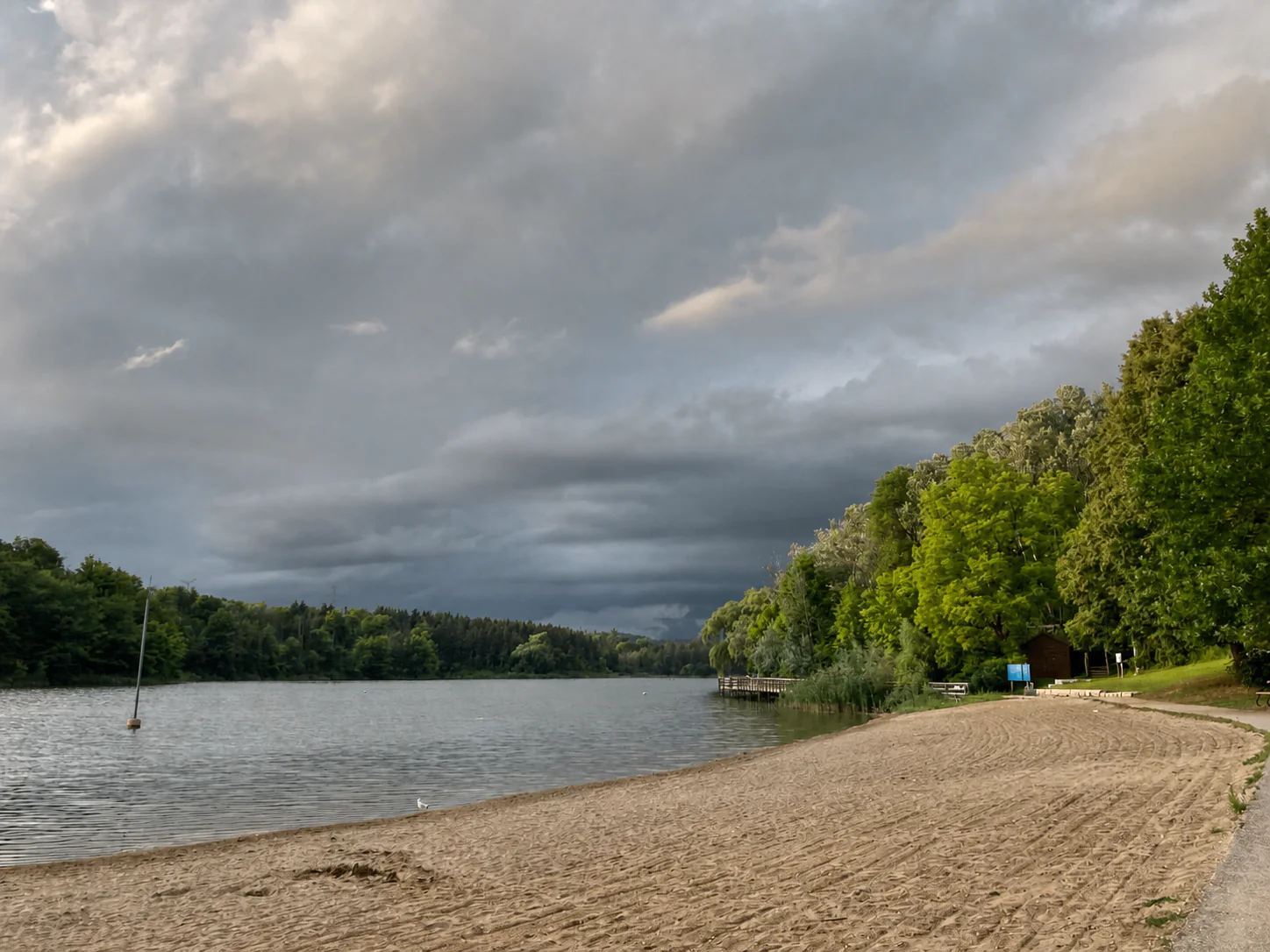
Kelso Conservation Area gives a different fall picture: lake, sandy beach, trails and the Niagara Escarpment below Glen Eden. It is a better fit for people who want open water and a gentle lakeside walk rather than a compact heritage garden. Check the current Conservation Halton access rules and weather conditions before driving.
For a town, gorge and walking day
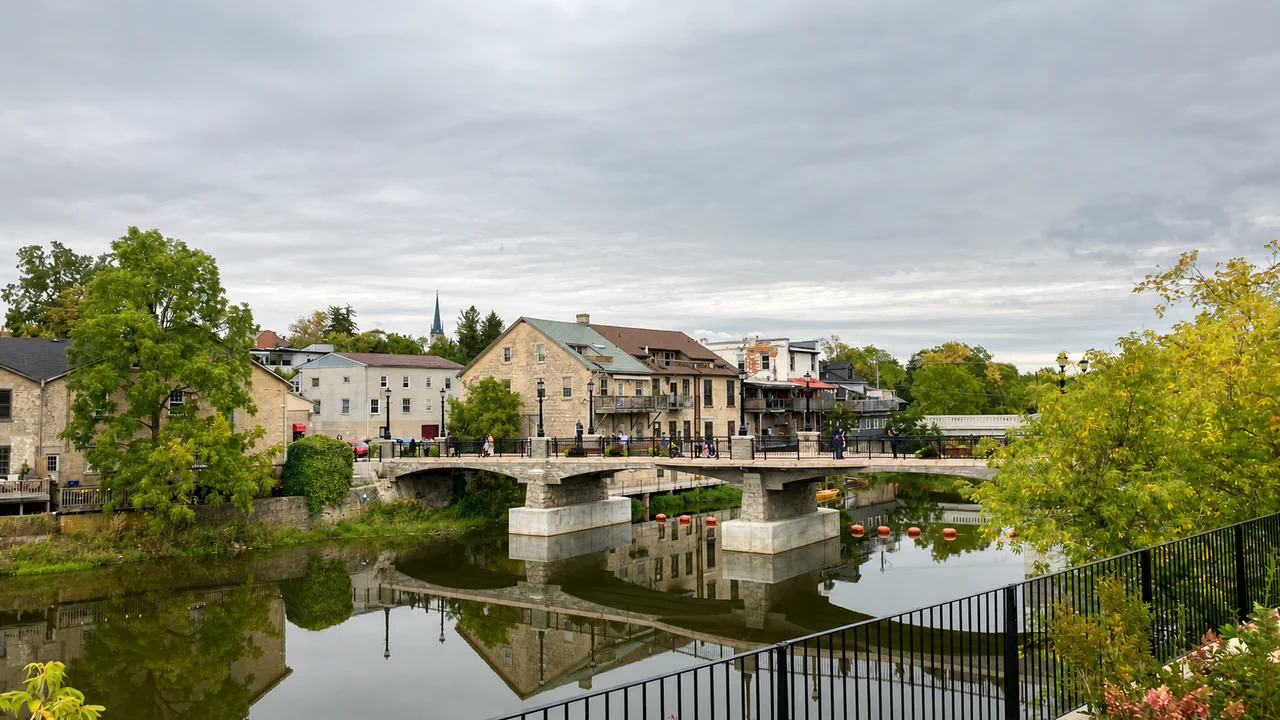
Elora combines a limestone gorge, historic village and riverside viewpoints. The foliage makes the stone buildings and river valley especially dramatic, but downtown parking and facilities can be under pressure on a bright weekend. Give the route more time than a map preview suggests, especially if your group needs an accessible washroom or a relaxed meal stop.
Hamilton’s waterfalls are a practical Escarpment alternative when the trip is about a short scenic walk rather than a full-day destination. Access restrictions, paid or controlled parking and wet-weather trail conditions are part of the plan. Avoid treating any waterfall photo as a promise that every lookout or shortcut is open.
For a longer scenic drive or overnight pace
Blue Mountain adds a village, chairlift area and Georgian Bay landscape to the fall-drive feeling. Its elevation and exposure can make conditions feel different from Toronto, so pack layers and check the resort’s current operating information instead of assuming a lift or attraction is running.
London in the fall is a city-and-river option: use the Thames and green spaces for a lower-key day, with indoor stops nearby if rain changes the plan. It is less about chasing a single famous overlook and more about building a comfortable, flexible urban walk.
Ottawa makes more sense as a long day, an overnight or the foliage portion of a capital-city trip. Parliament-area logistics, museum hours, parking and regional events can determine the day more than leaves alone. Treat it as a wider weekend plan rather than a rushed colour chase.
Crowd planning: make the good-colour day enjoyable
- Prefer a weekday when you can. The most photogenic conditions often attract the most visitors. A slightly less intense colour day with room to walk can be the better outing.
- Arrive with a backup. If a small lot is full, do not stop on a shoulder or squeeze into a residential street. Choose a nearby public trail, town walk or indoor stop that is legal and genuinely usable.
- Check the access page before the road trip. A colour report does not show temporary trail closures, construction, washroom hours, seasonal facilities or visitor caps.
- Build in a food and washroom pause. Families, visiting relatives and anyone new to Ontario road trips need a slower schedule than a photo itinerary suggests.
- Keep leaves where they are. Stay on marked routes, protect sensitive banks and roots, and do not climb barriers for a picture.
Accessibility: confirm the exact route, not just the destination
“Fall colours” describes scenery, not surface conditions. The same place can have a paved viewpoint, a boardwalk, stairs, loose gravel, steep grades, wet roots and a distant washroom. Before you leave, read the operator’s current accessibility information and ask about the route your group actually plans to use.
For a quieter trip, accessibility planning also means choosing the least stressful arrival: a reserved time where offered, an accessible parking space that is not assumed to be available, a known washroom option, and enough time to turn around if the route is not suitable. Ontario Parks’ fall-planning advice points travellers toward accessible options and less-busy parks, but the specific park remains the source of truth for its current amenities.
What to check on the morning of the trip
- Open the live Ontario Parks Fall Colour Report if it is in season.
- Read the destination’s official booking, alert and operating-hours page.
- Check the weather, including wind and rain, not only temperature.
- Save the reservation or parking confirmation offline and bring water, layers and traction-appropriate footwear.
- Choose one main stop. Add a second only if the first does not have a strict timed-entry or parking window.
Official planning links
- Ontario Parks Fall Colour Report: live park-by-park conditions when the report is in season
- Ontario Parks: fall-colour planning guidance, including crowds and accessible viewing resources
- Ontario Parks day-use permits and reservation information
Ontario fall-colour questions
When is the best time to see fall colours in Ontario from Toronto?
There is no dependable single date for every destination. Use the live Ontario Parks Fall Colour Report during the reporting season, then confirm the specific park or attraction’s access, capacity and weather before driving.
Does the Ontario Parks Fall Colour Report reserve a space to visit?
No. It helps with current foliage conditions. It is not a parking pass, timed-entry reservation or operating-hours notice. Check the destination’s own official page for those details.
Are fall-colour routes from Toronto accessible?
Some have paved viewpoints or accessible route sections, while others have stairs, roots, loose surfaces or timed entry. Confirm current route, washroom and parking details with the specific destination before leaving.