
Ontario’s parks, conservation areas, and lake spots are beautiful, but the cost structure can surprise newcomers and families. A guide that talks honestly about fees is more useful than one that only says “go enjoy nature.”
Costs to Check
- Vehicle permit or day-use entry fees.
- Reservation windows and sold-out time slots.
- Separate parking rules for conservation areas, city parks, and private lots.
- Gas, tolls, food, and whether the destination needs a full day to feel worth it.
Lower-Cost Alternatives
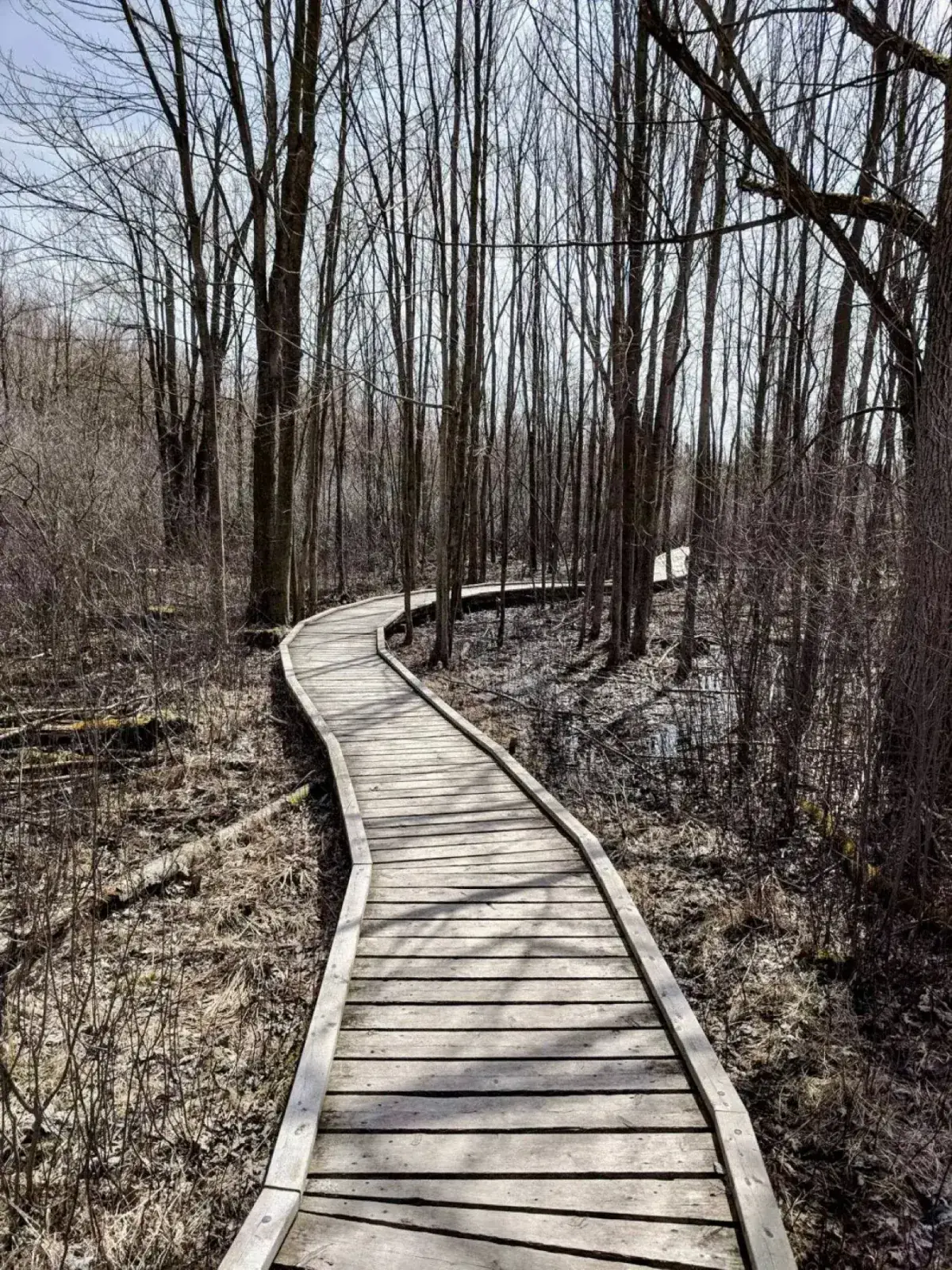
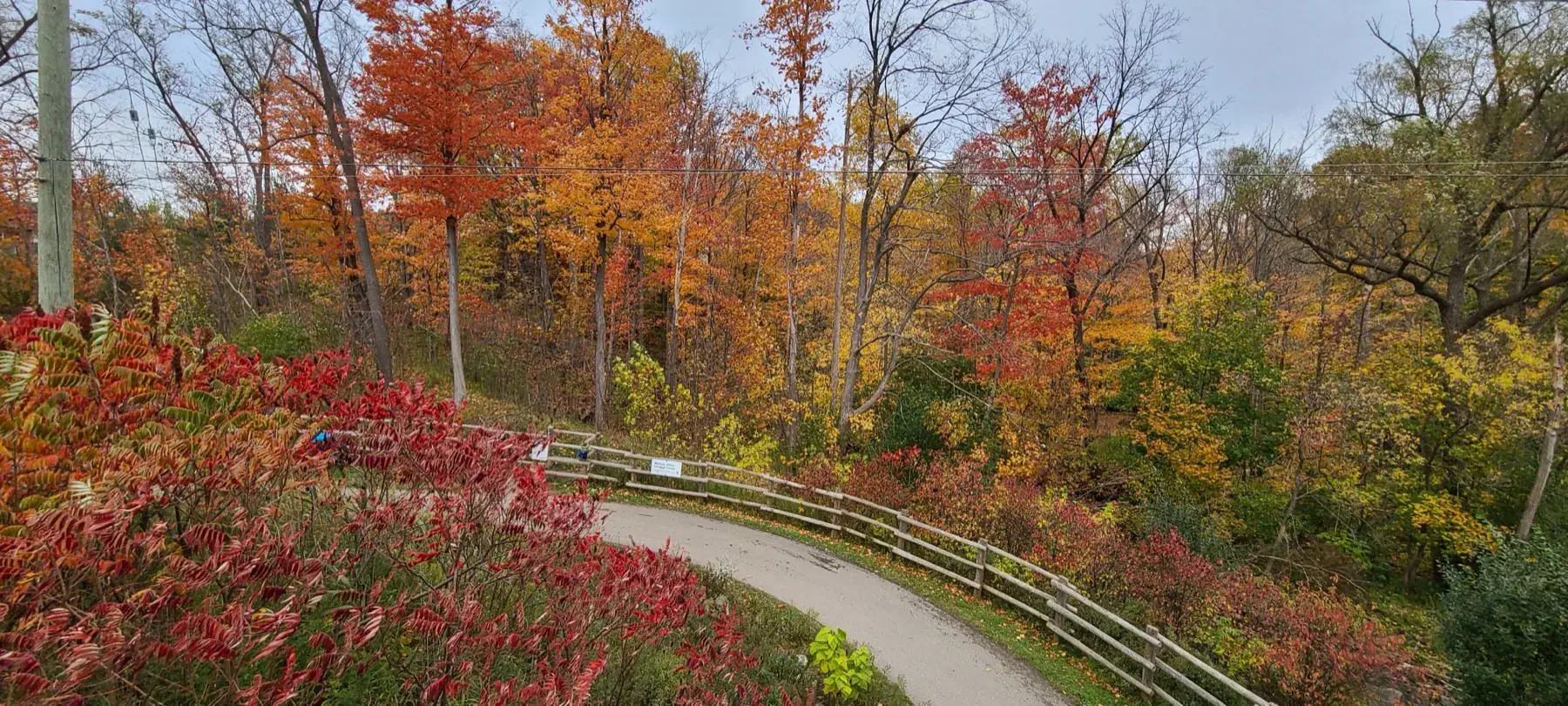
Town trails, waterfront paths, smaller conservation areas, and lakefront parks can sometimes give families a better day for less money. They may not be famous, but they are often easier for visiting parents, kids, and groups who just want a pretty walk and photos.
Best Planning Rule
Before leaving, check the official page for fees and reservation rules, then decide whether the drive time plus cost still makes sense. If not, pick a closer lake, river walk, or small-town route.
How Ontario Parks Day-Use Permits Actually Work
For an operating provincial park, the daily vehicle permit normally covers one passenger vehicle and the people in it. Ontario Parks says most permits are valid during the park's posted day-use hours, often 8 a.m. to 10 p.m., but each park has its own operating dates and hours. This is why a quick check of the park page matters more than assuming every trailhead works the same way.
At many participating parks, an advance daily vehicle permit can be booked up to five days before the visit. That is the practical move for a summer weekend, a holiday, or any trip where the drive is long: it guarantees entry while space remains. At other parks, permits are still first come, first served. Ontario Parks' day-use page is the place to check the current system before leaving home.
A Seasonal Permit Is Not a Reservation
A seasonal permit can lower the cost for people who visit often, but it does not automatically hold a space at a busy participating park. Ontario Parks asks seasonal permit holders to reserve their day-use spot in advance as well. That distinction matters when relatives are visiting or when the group has already packed food, swimsuits, and a long drive into the plan.
Keep the confirmation available on your phone or as a printout, and make sure the vehicle details are accurate. Ontario Parks may use the licence plate to confirm the permit. Their day-use FAQ explains the booking window, arrival proof, and what to do if the vehicle changes.
Make the Cost Feel Worth It
The permit is only one line in the day. Add fuel, food, any rented equipment, and the possibility of a second vehicle if family members meet you there. For a group, it can be smarter to choose one park and stay long enough to swim, walk, picnic, and rest rather than trying to squeeze in several paid stops. For a short outing, a local waterfront, municipal park, or conservation trail may be the better value.
There are also discounts for eligible Ontario seniors and eligible Ontario residents with an accessible parking permit or CNIB card. Ontario veterans and active Canadian Armed Forces members who meet the residency requirements can receive weekday day-use access at no charge. Check the official discounts page for the current eligibility rules and required identification.
A Simple Budget Check Before You Commit
- Confirm the park is operating on your date and whether an advance permit is required.
- Check the current park-specific fee instead of relying on an old social-media post.
- Count every vehicle, not only the people travelling together.
- Bring water, snacks, sunscreen, and a backup plan in case weather changes the day.
- Choose a closer free walk when the travel cost is larger than the time you will actually spend outside.